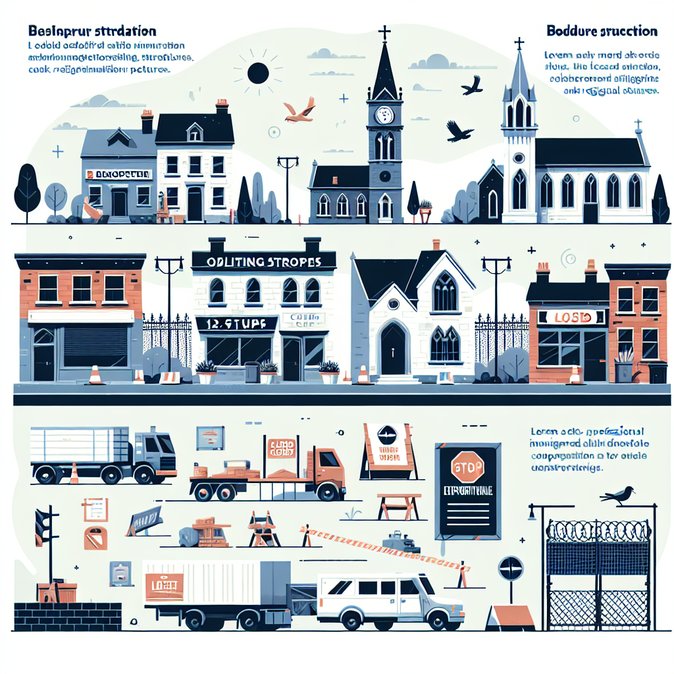
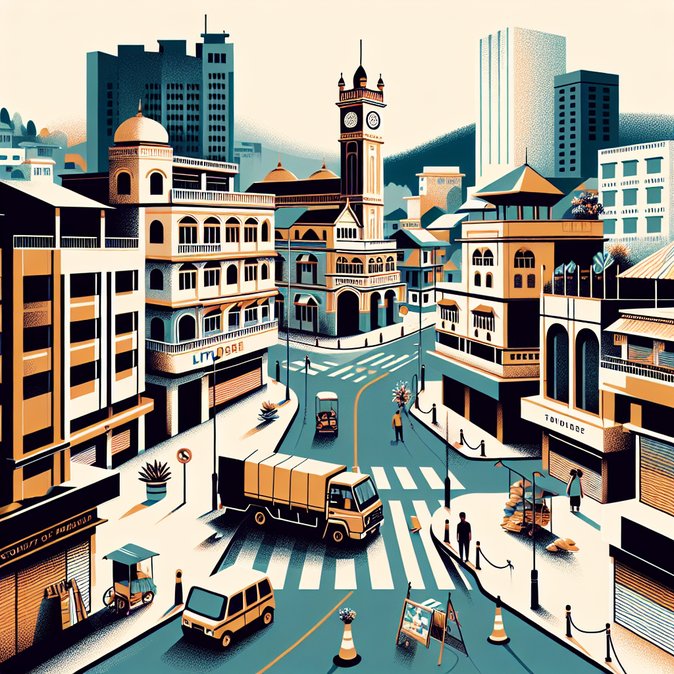
Normal life in Arunachal Pradesh’s capital came to a standstill on 9 December as local groups enforced a dawn-to-dusk shutdown to protest what they describe as unchecked illegal immigration from neighbouring regions. Commercial districts around Ganga Market, Secretariat and Naharlagun wore a deserted look; shops were shuttered, school buses stayed off the roads and government offices recorded thin attendance.
Organisers, led by the All Arunachal Students’ Union, accuse both state and central authorities of lax border management and demand stricter enforcement of the Inner Line Permit regime. They also object to the perceived proliferation of unauthorised religious structures, arguing that demographic change threatens the indigenous identity of the hill state.
![12-hour bandh in Itanagar over illegal immigration paralyzes business activity]()
For businesses, the bandh translated into lost sales at the start of the peak tourist season. Travel-management companies reported last-minute flight cancellations, while expat project managers overseeing hydropower and road-building contracts were advised to remain indoors. Logistics firms ferrying goods from Assam into the land-locked state faced delivery delays of up to 24 hours.
Although police maintained a heavy presence, no serious incidents were reported. Nevertheless, corporate security briefs circulated by relocation providers urged employers to factor such “flash” protests into risk assessments for assignees posted in India’s Northeast, where infrastructure projects often straddle sensitive border corridors.
Analysts note that the agitation reflects wider anxieties in several border states following the rollout of the stricter Immigration & Foreigners Act, 2025. While the new law gives authorities enhanced powers to detain and deport undocumented foreigners, local communities say effective implementation on the ground remains patchy.
Organisers, led by the All Arunachal Students’ Union, accuse both state and central authorities of lax border management and demand stricter enforcement of the Inner Line Permit regime. They also object to the perceived proliferation of unauthorised religious structures, arguing that demographic change threatens the indigenous identity of the hill state.
For businesses, the bandh translated into lost sales at the start of the peak tourist season. Travel-management companies reported last-minute flight cancellations, while expat project managers overseeing hydropower and road-building contracts were advised to remain indoors. Logistics firms ferrying goods from Assam into the land-locked state faced delivery delays of up to 24 hours.
Although police maintained a heavy presence, no serious incidents were reported. Nevertheless, corporate security briefs circulated by relocation providers urged employers to factor such “flash” protests into risk assessments for assignees posted in India’s Northeast, where infrastructure projects often straddle sensitive border corridors.
Analysts note that the agitation reflects wider anxieties in several border states following the rollout of the stricter Immigration & Foreigners Act, 2025. While the new law gives authorities enhanced powers to detain and deport undocumented foreigners, local communities say effective implementation on the ground remains patchy.
How VisaHQ can help
VisaHQ simplifies the visa application process for individuals and businesses. Check current travel requirements, prepare the required documents and manage your application online through the VisaHQ India portal.More From India
View all
IndiGo operational crisis hits 40,000 passengers at Mumbai hub, raises mobility risk for business travellers

Canada launches fast-track permanent-residency pathway for foreign doctors—Indian physicians poised to benefit