
All of Chandigarh was designated a ‘red’ no-fly zone for drones and unmanned aerial vehicles (UAVs) on 24 December under orders issued by District Magistrate Nishant Kumar Yadav. Citing recent terror incidents involving drones fitted with improvised explosive devices, the magistrate invoked Section 163 of the new Bhartiya Nagrik Suraksha Sanhita, 2023, to ban civilian UAV operations from 00:00 to 23:59 on the day of anticipated VVIP movement.
Operators violating the order face seizure of equipment and prosecution under the Indian Penal Code and the Aircraft Act. Although the restriction is temporary, it highlights India’s increasingly proactive stance on low-altitude air-space security following multiple drone incursions on the Punjab border this year.
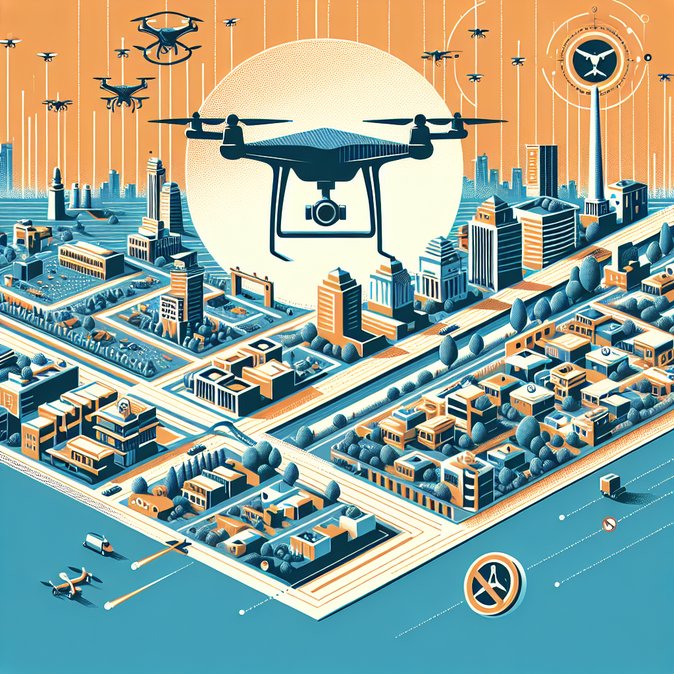
![Chandigarh Declares Drone No-Fly Zone Amid VVIP Movement And Security Concerns]()
While the measure primarily targets hobbyists and event photographers, it also affects construction-site surveyors and last-mile logistics firms experimenting with drone deliveries. Companies holding Directorate General of Civil Aviation (DGCA) ‘green-zone’ approvals must now build contingency time into mapping or inspection projects whenever similar ad-hoc restrictions are imposed.
Industry associations are calling for a centralised NOTAM-style platform to publish real-time drone restrictions, arguing that the current patchwork of district-level orders makes compliance difficult for pan-India operators. The Civil Aviation Ministry’s draft Drone Rules 2025 contemplate such a portal, but implementation timelines remain unclear.
Data-privacy advocates, meanwhile, welcome the security-first approach but urge authorities to balance it with transparent criteria so that legitimate commercial drone operations, especially in critical infrastructure inspection, are not hamstrung by unpredictable bans.
Operators violating the order face seizure of equipment and prosecution under the Indian Penal Code and the Aircraft Act. Although the restriction is temporary, it highlights India’s increasingly proactive stance on low-altitude air-space security following multiple drone incursions on the Punjab border this year.
While the measure primarily targets hobbyists and event photographers, it also affects construction-site surveyors and last-mile logistics firms experimenting with drone deliveries. Companies holding Directorate General of Civil Aviation (DGCA) ‘green-zone’ approvals must now build contingency time into mapping or inspection projects whenever similar ad-hoc restrictions are imposed.
Industry associations are calling for a centralised NOTAM-style platform to publish real-time drone restrictions, arguing that the current patchwork of district-level orders makes compliance difficult for pan-India operators. The Civil Aviation Ministry’s draft Drone Rules 2025 contemplate such a portal, but implementation timelines remain unclear.
Data-privacy advocates, meanwhile, welcome the security-first approach but urge authorities to balance it with transparent criteria so that legitimate commercial drone operations, especially in critical infrastructure inspection, are not hamstrung by unpredictable bans.
Source: The Times of India