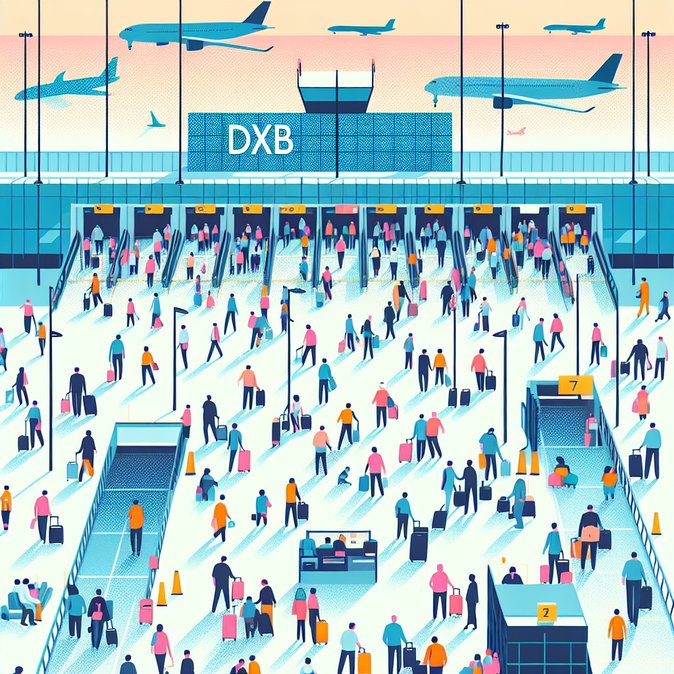
Dubai International Airport (DXB) processed an unprecedented 324,000 passengers on 3 January 2026 and a further 322,000 on 4 January, setting back-to-back daily records as the post-holiday rush peaked. Dubai Airports estimates that more than 3.4 million passengers will transit the hub between 1 and 11 January, an 11 percent jump on the same period last year.
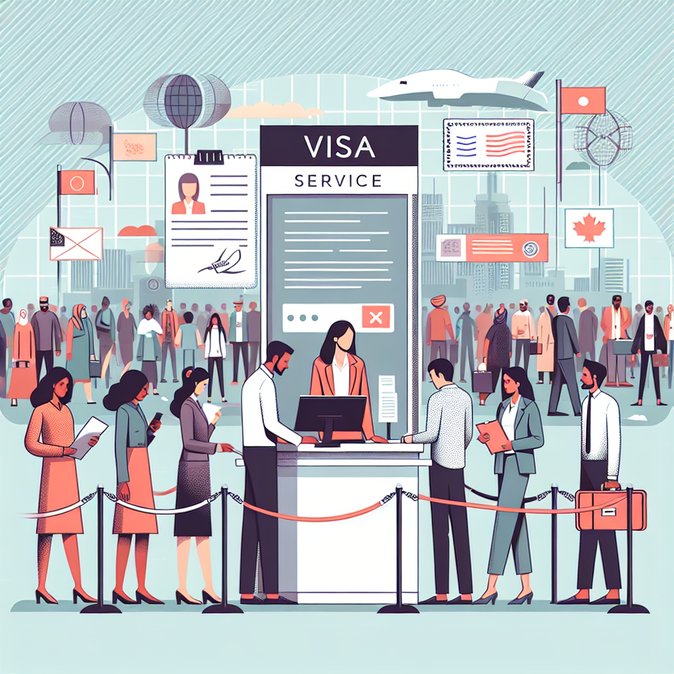
The surge is fuelled by three overlapping cohorts: Gulf residents returning from winter breaks, long-haul tourists drawn by Dubai Shopping Festival, and corporate travellers positioning for the first full business week of the year. Terminal 3’s immigration hall remained fully staffed through the night, yet queue times stretched to 45 minutes at peak, prompting Emirates to reiterate its advice that passengers arrive at least four hours before departure.
![Dubai International Airport smashes passenger record with 324,000 travellers in a single day]()
For global mobility managers, the record underscores DXB’s dominant role as a transfer point for Africa-Asia-Europe itineraries. Employers with tight meeting schedules should consider the airport’s fast-track ‘Marhaba’ service or remote check-in facilities at Dubai International Financial Centre and Ajman Bus Terminal.
Capacity pressure is likely to persist: Emirates’ 2026 summer schedule will add 20 A350-900 flights per week, while flydubai takes delivery of eight additional 737-MAX 10s. Dubai Airports is accelerating trials of biometric e-gates that promise sub-10-second border clearance, but these will not be fully deployed until Q3.
Until then, early-January travel through DXB remains a test of patience and planning. Corporates are advised to brief travellers on peak-time strategies—online check-in, road-traffic buffers, and lounge reservations—to avoid missed connections and costly reissues.
The surge is fuelled by three overlapping cohorts: Gulf residents returning from winter breaks, long-haul tourists drawn by Dubai Shopping Festival, and corporate travellers positioning for the first full business week of the year. Terminal 3’s immigration hall remained fully staffed through the night, yet queue times stretched to 45 minutes at peak, prompting Emirates to reiterate its advice that passengers arrive at least four hours before departure.

For global mobility managers, the record underscores DXB’s dominant role as a transfer point for Africa-Asia-Europe itineraries. Employers with tight meeting schedules should consider the airport’s fast-track ‘Marhaba’ service or remote check-in facilities at Dubai International Financial Centre and Ajman Bus Terminal.
Capacity pressure is likely to persist: Emirates’ 2026 summer schedule will add 20 A350-900 flights per week, while flydubai takes delivery of eight additional 737-MAX 10s. Dubai Airports is accelerating trials of biometric e-gates that promise sub-10-second border clearance, but these will not be fully deployed until Q3.
Until then, early-January travel through DXB remains a test of patience and planning. Corporates are advised to brief travellers on peak-time strategies—online check-in, road-traffic buffers, and lounge reservations—to avoid missed connections and costly reissues.
Source: Gulf News