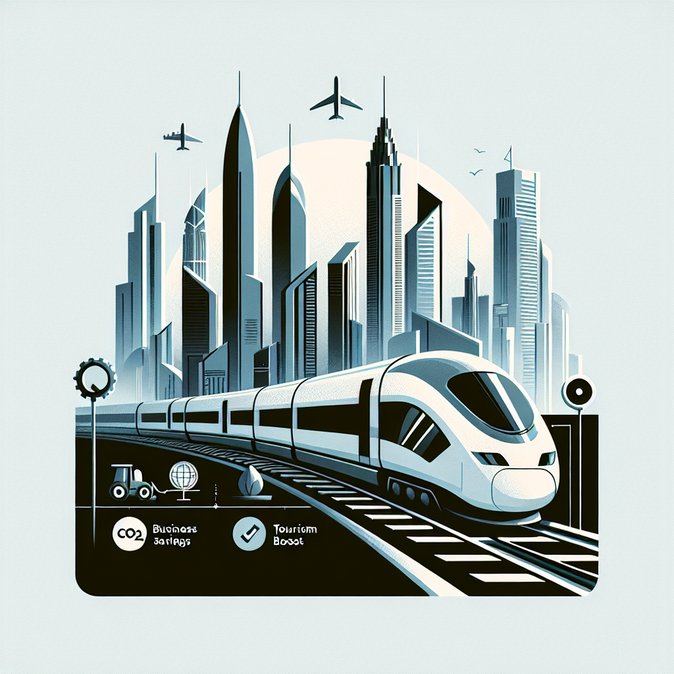
Etihad Rail on Thursday revealed the full map of the UAE’s first national passenger railway, announcing seven additional stations that complete an 11-city network slated to open in phases this year. The new stops—Al Sila, Al Dhannah, Al Mirfa, Madinat Zayed, Mezairaa, Al Faya and Al Dhaid—join previously confirmed hubs in Mohammed bin Zayed City (Abu Dhabi), Jumeirah Golf Estates (Dubai), University City (Sharjah) and Al Hilal (Fujairah). Ten of the fleet’s 13 trains have already arrived and passed safety certification.
Each train will carry up to 400 passengers in economy and business class, offering Wi-Fi and seat-side power. Etihad Rail says the service will slash travel times to 57 minutes between Abu Dhabi and Dubai and 105 minutes between Abu Dhabi and Fujairah, providing a congestion-free alternative to the E11 highway.
![Etihad Rail unveils 11-city passenger network, promising 57-minute Abu Dhabi–Dubai journey]()
For multinational employers, the rail link could reshape commuter patterns and widen talent pools. HR teams planning intra-UAE assignments will soon be able to deploy staff in lower-cost housing markets without lengthening daily travel. The network is also expected to boost domestic tourism, making weekend leisure trips between emirates easier and greener. Logistics managers anticipate spill-over benefits for freight, as passenger ambitions accelerate double-tracking and signalling upgrades across the corridor.
The project has recorded 24.5 million work hours and involved more than 7,000 specialists since 2023. Operations will be run by a joint venture with French transport giant Keolis, which will integrate first- and last-mile links such as buses and taxis.
From a sustainability perspective, rail is expected to cut road emissions significantly. Mobility experts note that the UAE’s introduction of inter-city rail echoes Saudi Arabia’s 2030 plans and could eventually feed into a GCC-wide network.
Each train will carry up to 400 passengers in economy and business class, offering Wi-Fi and seat-side power. Etihad Rail says the service will slash travel times to 57 minutes between Abu Dhabi and Dubai and 105 minutes between Abu Dhabi and Fujairah, providing a congestion-free alternative to the E11 highway.

For multinational employers, the rail link could reshape commuter patterns and widen talent pools. HR teams planning intra-UAE assignments will soon be able to deploy staff in lower-cost housing markets without lengthening daily travel. The network is also expected to boost domestic tourism, making weekend leisure trips between emirates easier and greener. Logistics managers anticipate spill-over benefits for freight, as passenger ambitions accelerate double-tracking and signalling upgrades across the corridor.
The project has recorded 24.5 million work hours and involved more than 7,000 specialists since 2023. Operations will be run by a joint venture with French transport giant Keolis, which will integrate first- and last-mile links such as buses and taxis.
From a sustainability perspective, rail is expected to cut road emissions significantly. Mobility experts note that the UAE’s introduction of inter-city rail echoes Saudi Arabia’s 2030 plans and could eventually feed into a GCC-wide network.
Source: Khaleej Times
How VisaHQ can help
VisaHQ simplifies the visa application process for individuals and businesses. Check current travel requirements, prepare the required documents and manage your application online through the VisaHQ United Arab Emirates portal.More From United Arab Emirates
View all
Overseas Pakistanis in the UAE can now import used cars under relaxed Transfer-of-Residence and Gift schemes
Emirates warns UAE travellers: UK to enforce mandatory ETA and e-Visa system from 25 February 2026