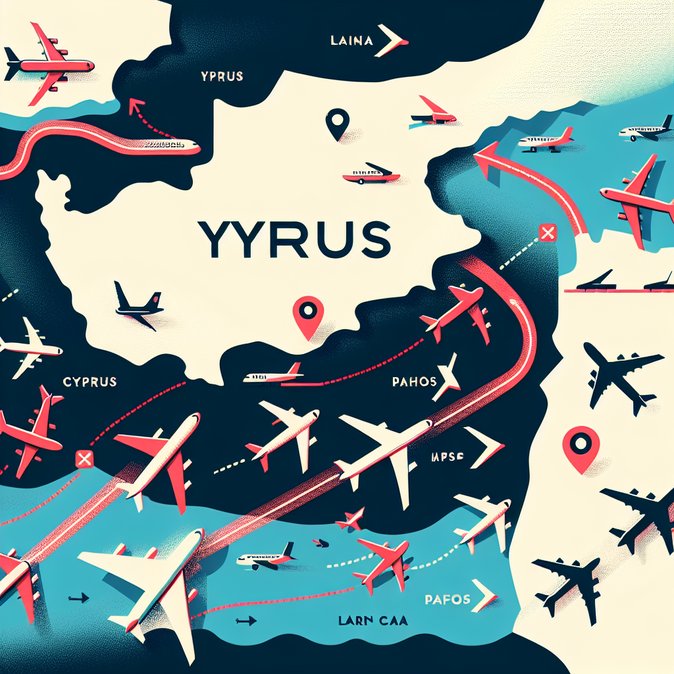
The European Parliament has voted by an overwhelming 632-15 majority to reject the Council’s proposed overhaul of Regulation 261/2004 on air-passenger rights. MEPs instead adopted a tougher text that preserves compensation after three-hour delays, guarantees free cabin baggage and introduces automatic refund forms for cancellations. Cyprus Consumer Association legal officer Virginia Christou told local media that Parliament’s stance “aligns fully with the interests of travellers using Larnaca and Pafos airports.” (in-cyprus.philenews.com)
The clash sets up difficult trilogue negotiations later this spring. The Council—acting largely on airline recommendations—wanted to extend the compensation trigger to five hours and give carriers more latitude before providing meals, hotel stays or refunds. Parliament’s hard line means airlines operating to Cyprus will likely have to budget for higher disruption-related costs in summer 2026 schedules.
![EU Parliament blocks Council bid to dilute air-passenger rights—Cypriot consumers to benefit]()
For corporate travel managers, the vote is a signal to review contract terms with preferred carriers. If Parliament’s version prevails, automatic digital refund workflows could cut the administrative burden of reclamation after irregular operations—welcome news for companies relocating staff or running tight project timelines on the island.
However, the regulation’s final shape remains uncertain. Industry lobby groups are expected to intensify pressure on the Council, arguing that stricter rules could discourage new routes to peripheral EU markets such as Cyprus. Mobility stakeholders should therefore monitor each negotiation round and factor potential compensation liabilities into travel budgets and risk forecasts.
Cyprus, which will hold the rotating EU Council presidency during the first half of 2026, may find itself mediating the dispute—a delicate balancing act between protecting consumers and safeguarding connectivity for an island economy heavily reliant on air links.
The clash sets up difficult trilogue negotiations later this spring. The Council—acting largely on airline recommendations—wanted to extend the compensation trigger to five hours and give carriers more latitude before providing meals, hotel stays or refunds. Parliament’s hard line means airlines operating to Cyprus will likely have to budget for higher disruption-related costs in summer 2026 schedules.

For corporate travel managers, the vote is a signal to review contract terms with preferred carriers. If Parliament’s version prevails, automatic digital refund workflows could cut the administrative burden of reclamation after irregular operations—welcome news for companies relocating staff or running tight project timelines on the island.
However, the regulation’s final shape remains uncertain. Industry lobby groups are expected to intensify pressure on the Council, arguing that stricter rules could discourage new routes to peripheral EU markets such as Cyprus. Mobility stakeholders should therefore monitor each negotiation round and factor potential compensation liabilities into travel budgets and risk forecasts.
Cyprus, which will hold the rotating EU Council presidency during the first half of 2026, may find itself mediating the dispute—a delicate balancing act between protecting consumers and safeguarding connectivity for an island economy heavily reliant on air links.
Source: In-Cyprus / Phileleftheros Group