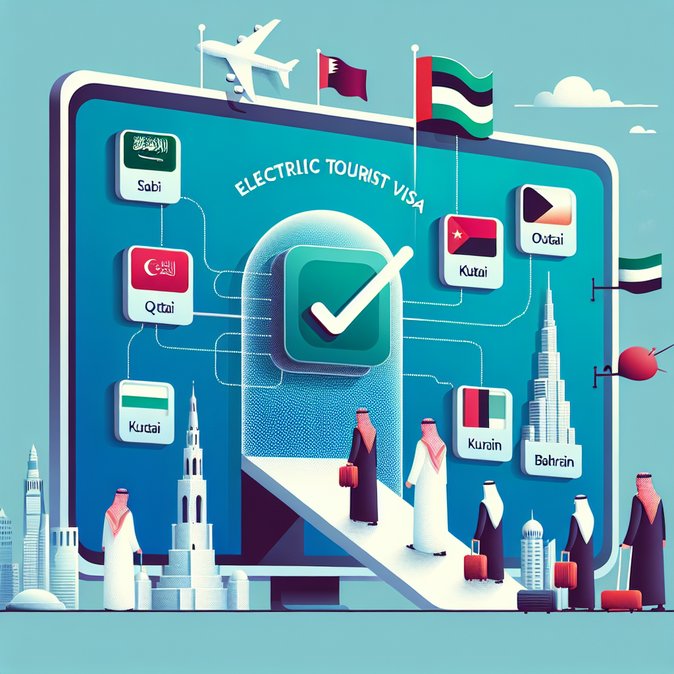
A long-promised Gulf Cooperation Council (GCC) ‘Grand Tours’ visa took a concrete step forward on 8 February 2026 when officials released an application roadmap that will allow tourists—and eventually business visitors—to enter all six GCC states on a single electronic permit. The digital-only process, detailed by regional media, will cover Saudi Arabia, the UAE, Qatar, Kuwait, Bahrain and Oman, replacing the patchwork of individual e-visas that travellers currently juggle.(timesofindia.indiatimes.com)
Although the launch date is slated for late 2026 after pilot tests, UAE travel-management companies are already fielding client questions. The draft documentation checklist mirrors Schengen requirements: a passport valid for six months beyond travel, proof of accommodation across multiple stops, onward or return tickets, travel insurance, and evidence of sufficient funds. Crucially, one on-line form will cover the entire itinerary, with fees paid in a single transaction. Officials say the permit will initially allow a 30-day stay with multiple entries inside the bloc, but business-travel extensions are under study.(timesofindia.indiatimes.com)
![Schengen-Style GCC Unified Visa Moves Closer: What UAE Travellers Need to Know]()
For UAE-based multinationals, the unified visa promises significant efficiency gains. Intra-Gulf projects—think engineers commuting weekly between Dubai, Dammam and Doha—currently require constant re-entries and separate fees. HR teams estimate savings of up to 35 per cent in visa administration once the scheme goes live. The move also dovetails with new open-skies agreements that Emirates, Etihad and flydubai are negotiating to densify short-haul routes.
Practical next steps for mobility managers include auditing current travel-profile data to ensure passport validity and insurance coverage align with the forthcoming standards, and updating employee-handbook sections on permissible business activities in neighbouring GCC states. Technology teams should prepare for API integrations with the new GCC e-visa portal so that traveller details flow automatically into duty-of-care dashboards.
By harmonising entry rules, the Gulf is signalling that it wants to function as a single tourism and business ecosystem—good news for UAE hotels, conference organisers and shared-services centres that stand to capture longer regional itineraries.
Although the launch date is slated for late 2026 after pilot tests, UAE travel-management companies are already fielding client questions. The draft documentation checklist mirrors Schengen requirements: a passport valid for six months beyond travel, proof of accommodation across multiple stops, onward or return tickets, travel insurance, and evidence of sufficient funds. Crucially, one on-line form will cover the entire itinerary, with fees paid in a single transaction. Officials say the permit will initially allow a 30-day stay with multiple entries inside the bloc, but business-travel extensions are under study.(timesofindia.indiatimes.com)

For UAE-based multinationals, the unified visa promises significant efficiency gains. Intra-Gulf projects—think engineers commuting weekly between Dubai, Dammam and Doha—currently require constant re-entries and separate fees. HR teams estimate savings of up to 35 per cent in visa administration once the scheme goes live. The move also dovetails with new open-skies agreements that Emirates, Etihad and flydubai are negotiating to densify short-haul routes.
Practical next steps for mobility managers include auditing current travel-profile data to ensure passport validity and insurance coverage align with the forthcoming standards, and updating employee-handbook sections on permissible business activities in neighbouring GCC states. Technology teams should prepare for API integrations with the new GCC e-visa portal so that traveller details flow automatically into duty-of-care dashboards.
By harmonising entry rules, the Gulf is signalling that it wants to function as a single tourism and business ecosystem—good news for UAE hotels, conference organisers and shared-services centres that stand to capture longer regional itineraries.
Source: The Times of India