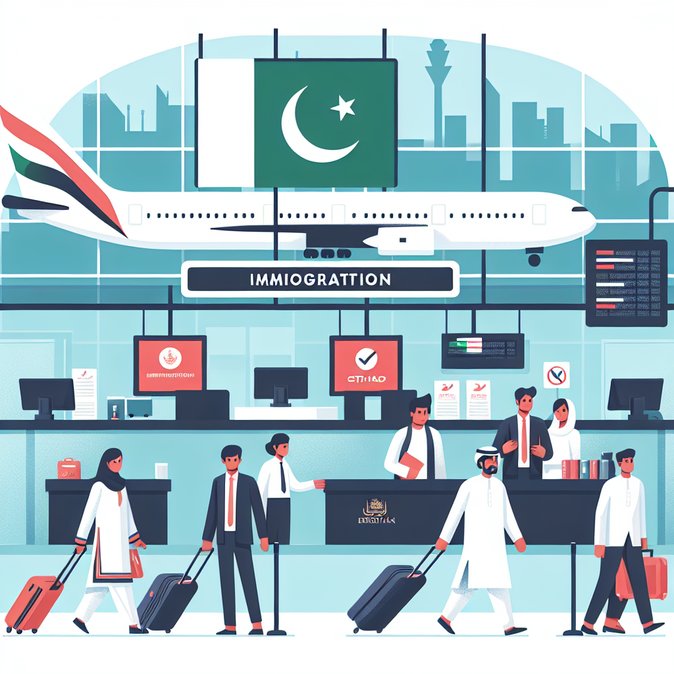
Rumours that the UAE had halted issuance of 48- and 96-hour transit visas to Pakistani passport holders are unfounded, Pakistan’s Ambassador to the UAE Shafqat Ali Khan told Dawn on 13 February. Social-media screenshots claiming a “temporary suspension” by Emirates and Etihad went viral earlier in the day, prompting concerned calls from travel agents and migrant workers. (dawn.com)
The ambassador confirmed that airlines continue to process the short-stay visas, which allow passengers in transit at Dubai or Abu Dhabi hubs to leave the airport for brief stopovers. He acknowledged past volatility in visa issuance but said no new restrictions had been introduced this week.
![UAE transit visas for Pakistanis NOT suspended, Islamabad envoy clarifies]()
The clarification is critical for Pakistan’s 1.7 million-strong expatriate community in the Emirates and for employers that route manpower via UAE hubs en route to Africa and the Americas. A sudden suspension would have forced budget-conscious travellers to purchase more expensive 14-day tourist visas or remain airside during long layovers—disrupting duty schedules and increasing accommodation costs.
Mobility managers should nonetheless remind travellers that transit visas must be arranged through the airline before departure and are not available on arrival if the passenger intends to exit the terminal. HR departments should also monitor official UAE immigration channels rather than social media for any future policy tweaks, as misinformation spreads quickly within recruitment networks.
The incident highlights the reputational stakes for Gulf immigration systems: even unverified rumours can trigger mass itinerary changes, making rapid consular communication essential.
The ambassador confirmed that airlines continue to process the short-stay visas, which allow passengers in transit at Dubai or Abu Dhabi hubs to leave the airport for brief stopovers. He acknowledged past volatility in visa issuance but said no new restrictions had been introduced this week.

The clarification is critical for Pakistan’s 1.7 million-strong expatriate community in the Emirates and for employers that route manpower via UAE hubs en route to Africa and the Americas. A sudden suspension would have forced budget-conscious travellers to purchase more expensive 14-day tourist visas or remain airside during long layovers—disrupting duty schedules and increasing accommodation costs.
Mobility managers should nonetheless remind travellers that transit visas must be arranged through the airline before departure and are not available on arrival if the passenger intends to exit the terminal. HR departments should also monitor official UAE immigration channels rather than social media for any future policy tweaks, as misinformation spreads quickly within recruitment networks.
The incident highlights the reputational stakes for Gulf immigration systems: even unverified rumours can trigger mass itinerary changes, making rapid consular communication essential.
Source: Dawn