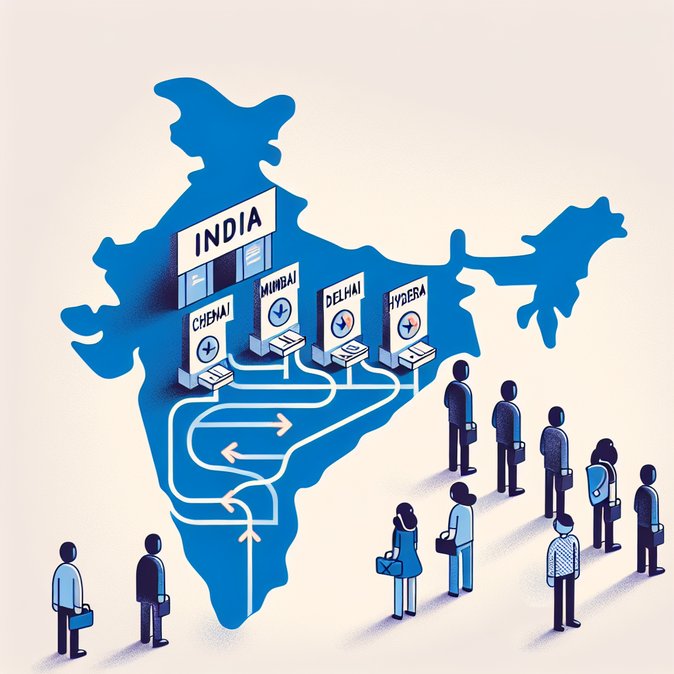
The latest data published by the US Department of State on 13 February and analysed on 18 February show stark differences in B1/B2 (visitor) visa appointment availability across India. Chennai offers the next interview in roughly one month, while Mumbai applicants face a ten-month queue. New Delhi and Hyderabad fall in the middle at eight months, and Kolkata shows a 2.5-month line-up.
Student (F-1, M-1) and petition-based work categories (H, L, O, P, Q) are moving far faster nationwide, with many posts offering interview dates in under three months—some in New Delhi in less than two weeks. The contrasting timelines reflect the US mission’s effort to prioritise classes that drive education and employment mobility while still battling pandemic-era backlogs in high-volume tourist segments.
![Huge gaps in US visitor-visa wait times across Indian consulates—Chennai at 1 month, Mumbai at 10]()
For applicants, geography suddenly matters. Consular rules allow Indians to schedule at any US post within the country, provided they can appear in person. Travel consultants report a surge in clients willing to fly to Chennai to shave months off processing. Corporates arranging last-minute leadership trips are quietly shifting assignees’ appointments to whichever city shows the shortest slot.
The US Embassy reminds applicants that wait-time charts update monthly and can swing sharply when new interview blocks open. Applicants are advised to monitor the official portal daily and reschedule if an earlier date appears. Paying the visa fee once still allows rescheduling without penalty.
From a policy perspective, the data underline the capacity-allocation challenge facing the US Mission in India, which processed a record 1.4 million visas in 2025. Consular officers added Saturday shifts and hired 300 additional local staff last year, yet demand continues to outstrip supply in Mumbai and Delhi, home to India’s busiest outbound airports.
Student (F-1, M-1) and petition-based work categories (H, L, O, P, Q) are moving far faster nationwide, with many posts offering interview dates in under three months—some in New Delhi in less than two weeks. The contrasting timelines reflect the US mission’s effort to prioritise classes that drive education and employment mobility while still battling pandemic-era backlogs in high-volume tourist segments.
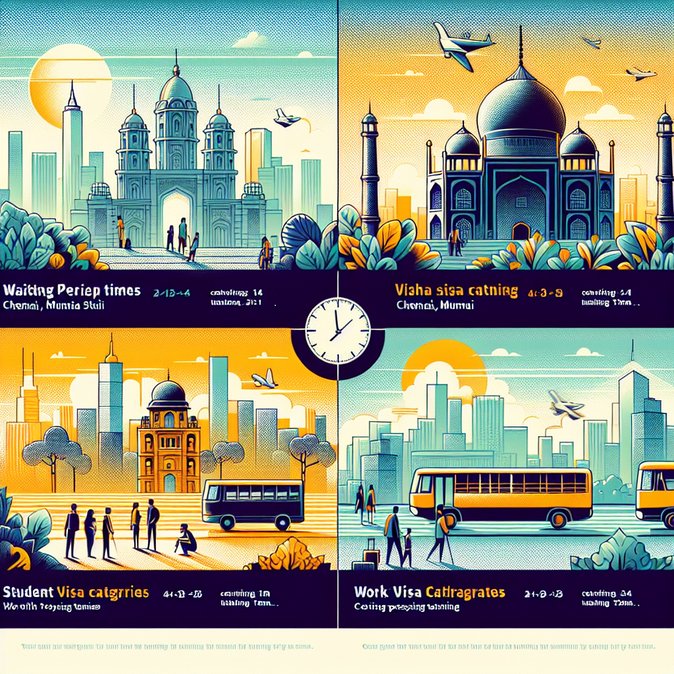
For applicants, geography suddenly matters. Consular rules allow Indians to schedule at any US post within the country, provided they can appear in person. Travel consultants report a surge in clients willing to fly to Chennai to shave months off processing. Corporates arranging last-minute leadership trips are quietly shifting assignees’ appointments to whichever city shows the shortest slot.
The US Embassy reminds applicants that wait-time charts update monthly and can swing sharply when new interview blocks open. Applicants are advised to monitor the official portal daily and reschedule if an earlier date appears. Paying the visa fee once still allows rescheduling without penalty.
From a policy perspective, the data underline the capacity-allocation challenge facing the US Mission in India, which processed a record 1.4 million visas in 2025. Consular officers added Saturday shifts and hired 300 additional local staff last year, yet demand continues to outstrip supply in Mumbai and Delhi, home to India’s busiest outbound airports.
Source: The Economic Times
How VisaHQ can help
VisaHQ simplifies the visa application process for individuals and businesses. Check current travel requirements, prepare the required documents and manage your application online through the VisaHQ India portal.More From India
View all
Western Disturbance triggers rain, hail and fog alerts across North India—IMD tells travellers to brace for delays
Indian Embassy Paris schedules 21 February “pop-up” consular camp for passports, OCI and visa services