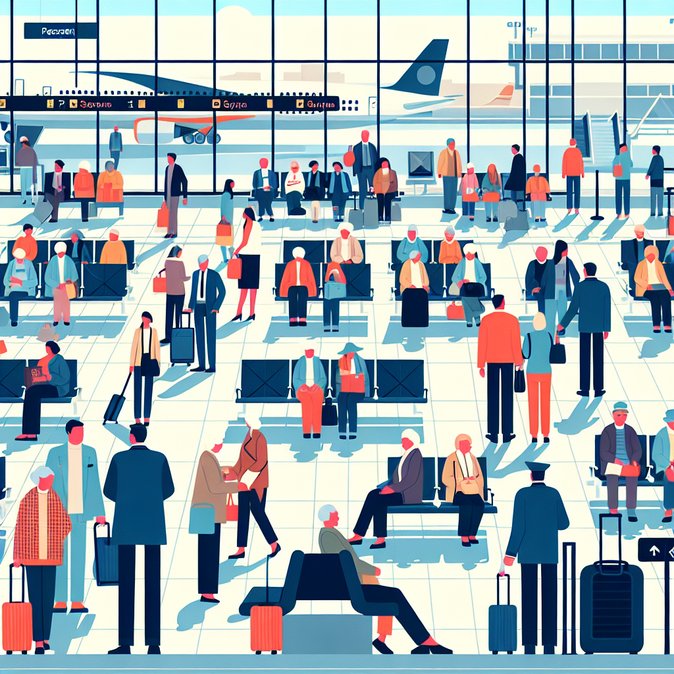
CGTN and several domestic carriers reported on 20 February that passengers aged 60 and above accounted for 20 % of bookings into Beijing and Shanghai during this year’s nine-day Spring Festival break—1.6 times the 2025 level. The demographic shift, enabled by simplified e-ticketing and wider wheelchair assistance, is forcing airlines to recalibrate cabin-crew ratios and ground-handling resources. China Eastern has added 12 extra wide-body rotations on its Shanghai Hongqiao–Chengdu shuttle and increased business-class inventory by 15 %, anticipating a higher proportion of passengers requiring special-service requests. Hainan Airlines has partnered with Beijing Daxing Airport to pilot a dedicated senior-traveller immigration lane combining facial recognition with health-declaration kiosks. Corporate travellers should be aware that priority-boarding queues may be longer than usual and that wheelchair and meet-and-assist services could sell out days in advance. Companies moving executives or project cargo during the peak week should book premium-service slots early and allow additional time for gate changes triggered by aircraft swaps. From a strategic perspective, the ‘silver-economy’ influx reinforces China’s policy goal of diversifying inbound traffic beyond traditional business segments. Mobility managers could leverage off-peak fare discounts—often 20–30 % cheaper—by scheduling non-urgent trips outside the holiday window while maintaining employee well-being.
Source: CGTN