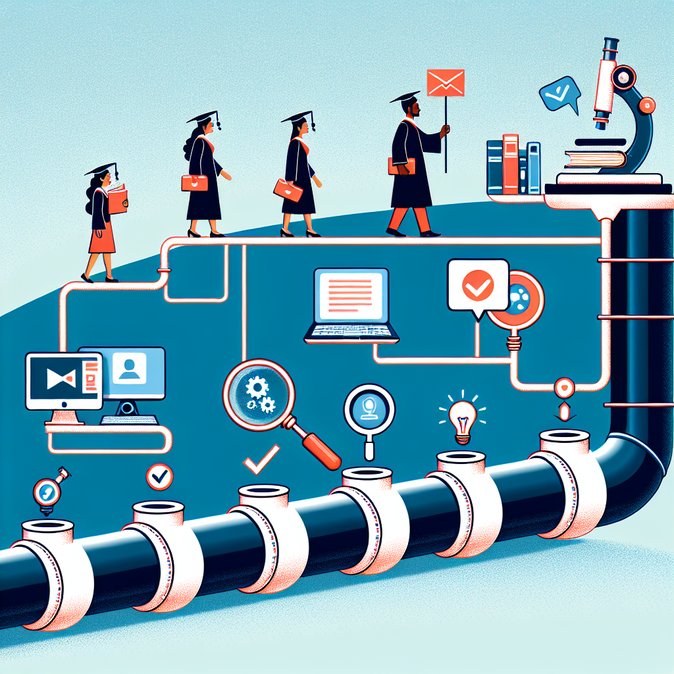
India’s Ministry of External Affairs has confirmed what education consultants have been warning for months: tougher US visa vetting is finally denting the world’s largest outbound student market. A written reply in Parliament on 3 April revealed that 352,644 Indian students were enrolled in US institutions as of February 2026—down 26,000 from the year before and the first material decline in a decade. Officials blamed the fall on last year’s State Department directive that recast every visa decision as a ‘national-security determination’. Consular officers now pore over applicants’ social-media histories and can demand public privacy settings before adjudication. Post-issuance compliance checks have also intensified; even minor traffic offences can trigger status reviews. The impact was immediate. F-1 approvals between May and August 2025 plunged 60 per cent for Indians after several US consulates suspended interviews to install new vetting tools. Combined with a temporary travel ban affecting 39 countries, many prospective students deferred or shifted to Canada and Australia. Universities feel the pinch. STEM-heavy graduate programmes—from data science in California to semiconductor engineering in Arizona—rely on Indian enrolments to balance budgets and feed research pipelines. Some have begun sponsoring earlier ‘admit-to-enrol’ virtual orientations to keep candidates engaged while they navigate longer visa timelines. For employers, fewer Indian graduates entering Optional Practical Training (OPT) could tighten the early-career talent pool just as semiconductor fabs and AI labs expand. Immigration lawyers suggest starting H-1B planning a semester earlier and urging students to keep social-media content “profession-focused and public”. Whether the numbers rebound will hinge on how quickly the US processes a growing safety backlog without alienating a key talent source.
Source: Business Standard