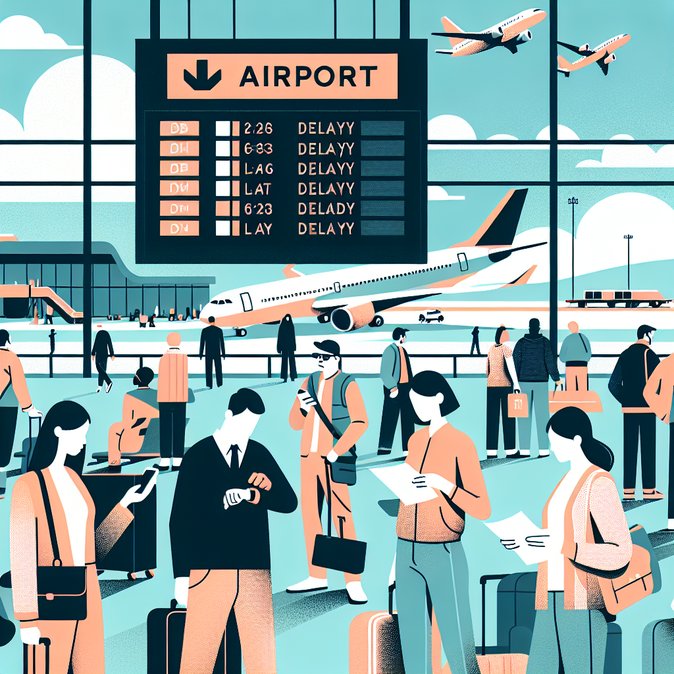
Dubai International Airport (DXB) remained operational on 16 April, yet the after-shocks of regional air-space disruptions delivered one of the roughest days in weeks: 124 flight delays and 22 outright cancellations rippled across Dubai and Abu Dhabi. IndiGo dropped nine rotations, Emirates and flydubai re-timed dozens of services and immigration queues at DXB stretched to 90 minutes at midday as mis-connected passengers scrambled for rebookings. While local carriers maintained reduced schedules, foreign airlines such as British Airways, KLM and Lufthansa continued longer suspensions, keeping the foreign-carrier cap at one daily frequency in place until at least 31 May. Hoteliers near DXB reported a 35 per cent spike in walk-in rates as duty-of-care accommodation blocks filled up. The Federal Authority for Identity, Citizenship, Customs and Port Security (ICP) used the disruption to remind visitors that UAE visa-overstay fines – AED 50 per day – restart immediately once a visa expires, regardless of flight cancellations. Travellers unable to depart on schedule must either extend their visit visas online or obtain an "out-pass" at the airport before clearing immigration to avoid penalties and future re-entry issues. Corporate travel managers should advise employees to reconfirm departure times through airline apps rather than third-party trackers, carry digital copies of e-visas and ensure hotel bookings are flexible. With the holy month of Dhul-Hijjah approaching, forward bookings are heavy; experts warn that any further air-space closure could quickly exhaust re-accommodation options. Practical tips: arrive at least three hours before departure, use the Metro’s Red Line to avoid road congestion around Terminal 3, and – for passengers on Schengen-bound itineraries – keep boarding passes and delay notifications to support EU 261 compensation claims if the root cause is deemed within airline control.
Source: TravelPirates