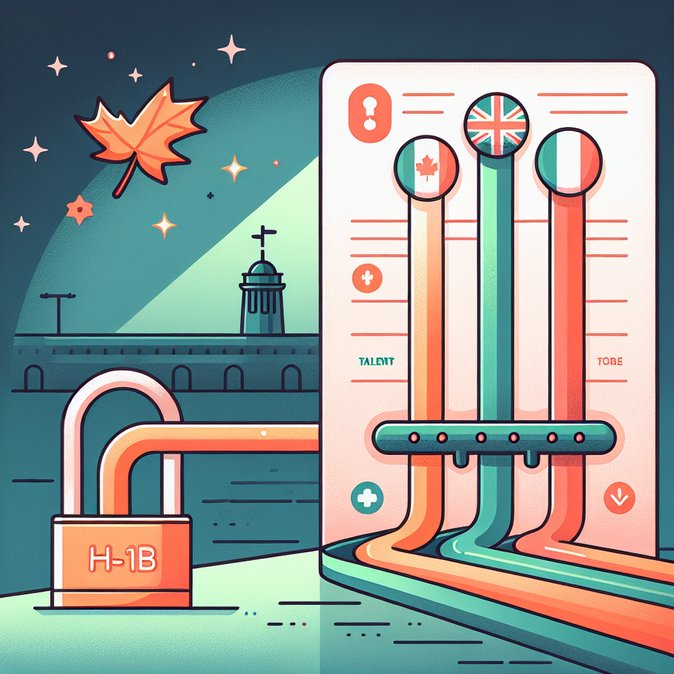
Eight Republican lawmakers led by Arizona Congressman Eli Crane have tabled the “End H-1B Visa Abuse Act of 2026” in the US House of Representatives. The draft legislation—introduced on 25 April—would freeze issuance of new H-1B visas for three years, slash the annual cap to 25,000 thereafter, impose a US $200,000 minimum salary and scrap the Optional Practical Training (OPT) programme for international graduates. If enacted, the bill would up-end a pathway used by roughly 70 percent Indian STEM professionals seeking long-term US careers. It also bans third-party placements and prohibits H-1B holders from changing status to permanent residency, a move immigration attorneys describe as “a near-total reset” of the skilled-migration system. The proposal faces an uphill battle in the Democrat-controlled Senate, where 60 votes would be needed to overcome a filibuster. Yet observers warn that even the debate could delay the FY 2027 H-1B lottery and encourage rival destinations such as Canada and the UK—both expanding tech-talent schemes—to court Indian applicants. Indian IT majors Infosys and TCS, which together filed over 17,000 H-1B petitions last year, said in stock-exchange filings that they are assessing contingency plans, including greater near-shore hiring in Mexico and Canada. Universities worry that ending OPT would deter Indian enrolments in US graduate programmes. Mobility managers should brief affected staff, monitor committee mark-ups and be ready to accelerate L-1 or Canada Global Talent Stream applications if the bill gains traction.
Source: Business Standard