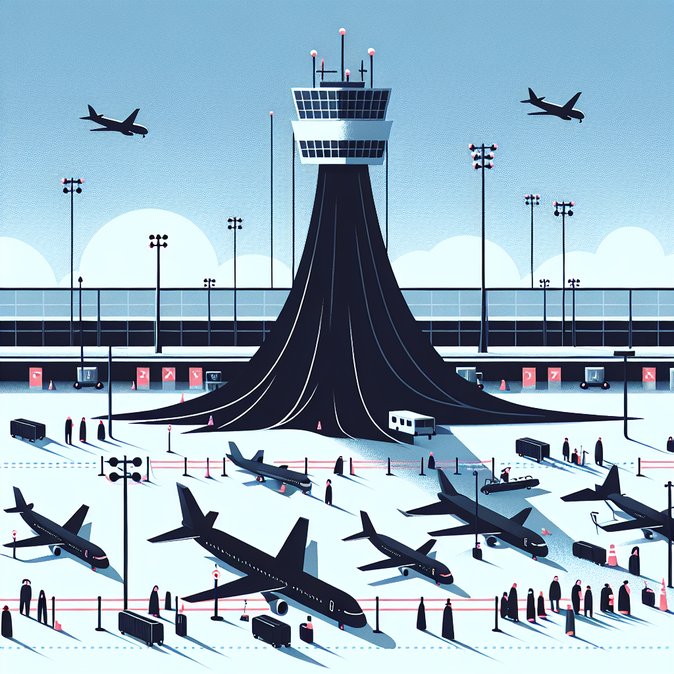
Data released by Flightradar24 and reported by lifestyle news portal Lovin Dubai late on 25 April show that the UAE’s four home-based airlines—Emirates, flydubai, Etihad Airways and Air Arabia—operated a combined 1,015 departures on 23 April, regaining 67 per cent of their pre-conflict schedule. The milestone comes less than two months after Iran-Israel hostilities forced widespread rerouting and temporary UAE runway slot caps. Emirates alone is back to 84 per cent of its February schedule, with CEO Sir Tim Clark telling reporters he expects to restore full capacity by mid-June, subject to air-space stability. For procurement teams the ramp-up means premium-cabin seat inventory is loosening, which should translate into lower corporate fares after weeks of elevated yield management. Travel-policy owners may wish to reinstate advance-purchase thresholds that were relaxed during the crunch. Air-cargo capacity is also bouncing back: Dubai International handled 6,900 tonnes on 24 April—double the throughput recorded on 30 March and a critical factor for just-in-time supply chains serving regional projects. While the recovery is promising, aviation analysts caution that crew shortages and engine spare-parts bottlenecks could still limit growth. Mobility managers should maintain contingency routings via Riyadh or Muscat until on-time-performance metrics at DXB and AUH stabilise above 85 per cent.
Source: Lovin Dubai
How VisaHQ can help
VisaHQ simplifies the visa application process for individuals and businesses. Check current travel requirements, prepare the required documents and manage your application online through the VisaHQ United Arab Emirates portal.More From United Arab Emirates
View all
Qatar Airways reinstates daily Doha–Dubai and Doha–Sharjah rotations, restoring a vital Gulf business corridor

Ajman unveils six-month tourism-fee waiver to cut costs for hotels and event organisers