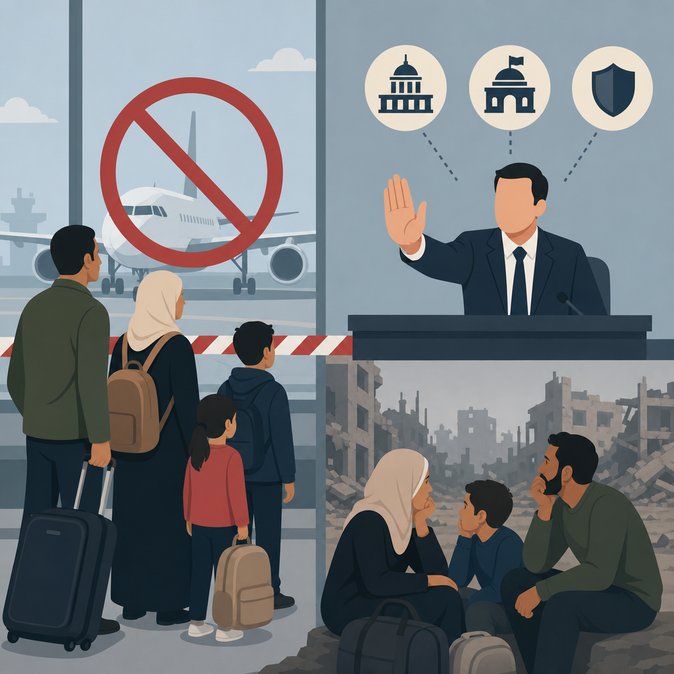
Addressing the Chamber of Representatives on 26 May, Belgian Foreign Minister Maxime Prévot poured cold water on calls to mount a second large-scale evacuation of Palestinian residents of Gaza who already hold Belgian entry visas. The minister confirmed that roughly 1,400 individuals—including family-reunification cases and a handful of researchers and scholarship students—remain trapped in the enclave despite having completed Belgium’s visa process. Prévot stressed that the reopening of Israel’s Kerem Shalom crossing in March had not simplified the complex, multi-country permissions required to get visa-holders from Gaza to Belgium. Any operation would require coordination with Israeli, Egyptian and Jordanian authorities as well as the chartering of commercial aircraft—logistics Brussels cannot currently guarantee amid fluid security conditions. Belgium has evacuated about 1,000 people since October 2023, making it “one of the EU’s most active states” in such operations, the minister noted. Human-rights NGOs and several MPs argued that visa validity could expire before beneficiaries leave Gaza, exposing them to renewed vetting or even rejection. Prévot conceded that extension waivers may be necessary and said a government working group has examined alternatives since December 2025, including fast-track humanitarian corridors via Egypt, but none has proved feasible. For global mobility managers the message is clear: a Belgian visa does not automatically trigger consular extraction in crisis zones. Companies with staff or dependants in Gaza must develop contingency plans, ensure passports remain valid for staggered departures and budget for possible re-issuance costs. Immigration advisers likewise warn that, should holders eventually exit Gaza, Belgian border police may issue replacement entry vignettes on arrival rather than abroad, disrupting onboarding timelines for employers expecting prompt start dates. The debate also feeds into a wider EU discussion on whether Schengen visas should carry explicit ‘no evacuation’ disclaimers in high-risk territories—a question likely to surface when justice and home-affairs ministers meet in Brussels in early June.
Source: The Brussels Times