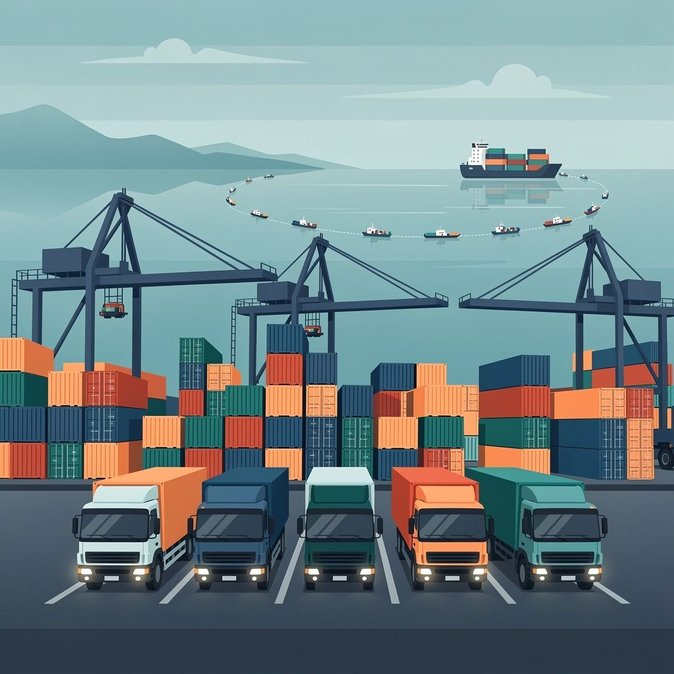
Cargo operations at Italy’s two busiest Mediterranean gateways, Genoa and Savona, resumed at 00:01 on 21 June after a three-day strike by road-haulage associations. From 18 to 20 June, thousands of trucks were barred from entering port yards, clogging motorway approaches and forcing shipping lines to reschedule calls or divert containers to French and Spanish ports. The protest, organised by a coalition of haulier federations, demanded faster reimbursement of rising fuel costs, dedicated rest-areas and a cap on waiting-time penalties. Port authority data show that 14,000 TEU of export cargo missed intended vessels, while import boxes destined for northern Italy piled up in yards, triggering demurrage charges for consignees. Multinational manufacturers from the Lombardy logistics triangle experienced delivery delays of 48–72 hours for automotive components and fashion goods. Some switched to emergency rail shuttles via La Spezia or Trieste, but capacity was limited. With peak summer production under way, corporates should diversify routings and negotiate “strike clauses” in freight contracts. The Ministry of Transport has convened talks for 28 June; unions warn that a further 96-hour stoppage could follow if no deal on surcharge indexing is reached. The episode underscores the vulnerability of Italy’s export machine to industrial action in Ligurian ports and the importance of robust business-continuity planning for mobility of goods and key personnel.
Source: Transportonline