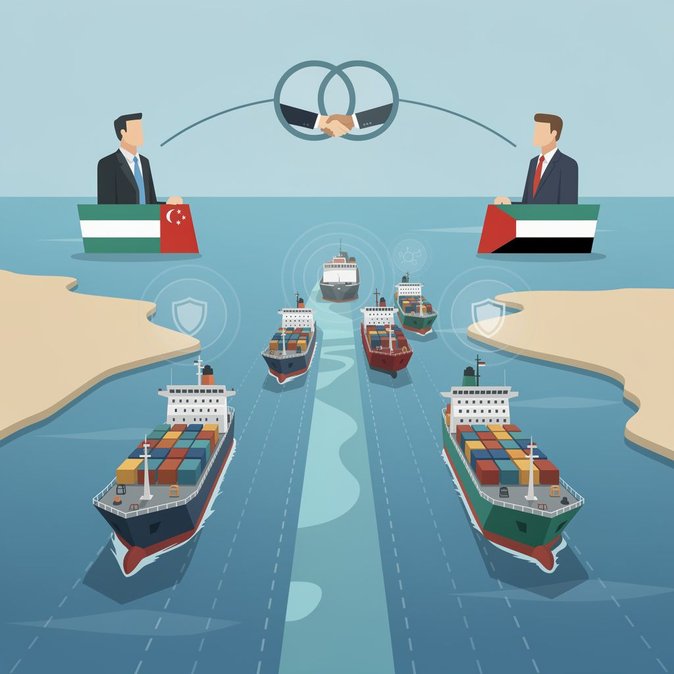
Gulf News reports that CPTPP ministers have authorised preparatory discussions with the United Arab Emirates, Indonesia and the Philippines on eventual accession to the 12-nation Comprehensive and Progressive Agreement for Trans-Pacific Partnership. The decision, confirmed on 26 June, does not guarantee membership but signals political buy-in from existing parties such as Japan, Canada and Australia. While the headlines focus on trade, mobility professionals see immediate implications for business-visa regimes. Several CPTPP members – notably Canada, Mexico and Peru – already grant streamlined entry to nationals of fellow signatories under APEC-style arrangements. Emirati negotiators are expected to seek similar provisions, mirroring clauses secured in recent bilateral CEPAs with Indonesia and New Zealand. For UAE-based multinationals, CPTPP alignment could eventually cut paperwork for project staff heading to Asia-Pacific mining, energy and tech hubs. Equally, companies sourcing talent from Vietnam or Chile might benefit from faster work-permit turnarounds once mutual-recognition mechanisms are in place. Accession talks typically take 18–24 months and will require the UAE to adopt CPTPP chapters on temporary entry of business persons. Legal teams should monitor draft reservations lists: Canada, for example, often caps intra-company transferees unless salary thresholds are met. Mobility budgets may also gain from reduced tariffs on relocation goods and personal effects shipped between member economies, assuming the UAE harmonises customs codes with CPTPP rules of origin.
Source: Gulf News