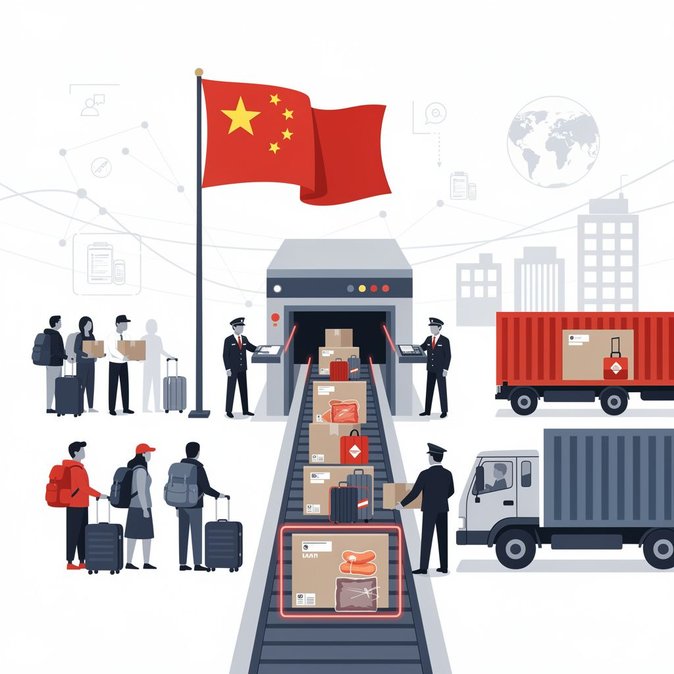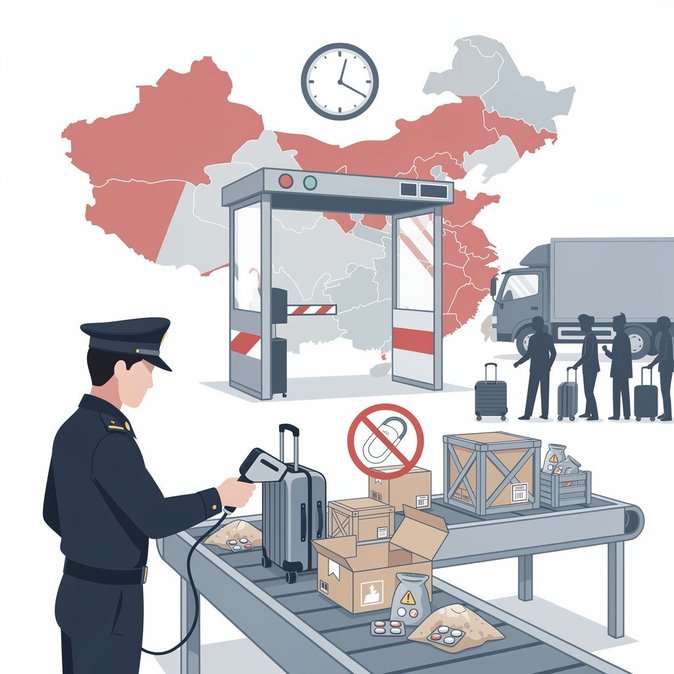
China’s National Immigration Administration (NIA) revealed on 26 June that officers have intercepted 4.07 tonnes of narcotics in 186 separate cases at land, sea and airport control points during the first half of 2026. A total of 243 suspects have been detained. Officials said the bulk of the seizures occurred at Southwest land borders and major international airports such as Guangzhou Baiyun and Shanghai Pudong, where synthetic drugs were hidden in air-cargo consignments declared as ‘health products’. The announcement comes as Beijing intensifies a “Secure Borders 2026” campaign that doubles canine patrols, introduces AI-based cargo-scanning algorithms and shortens response time for joint operations with Customs and Public Security bureaus. For multinational companies moving goods or rotating expatriate staff, the drive means lengthier secondary inspections, especially for shipments originating in high-risk production hubs. While the NIA stressed that flows of legitimate passengers and freight “will not be impeded”, customs brokers report that clearance times for certain HS codes—especially chemicals—have already increased by 8-12 hours. Firms are advised to build extra lead-time into supply-chain schedules and to review employee travel check-lists for potential red-flag items such as CBD oils. Long term, the tough line is expected to remain; China’s draft new Exit-Entry Administration Law—now before the NPC—would formalise drug-risk profiling and give border agents enhanced powers to deny entry on the spot. Businesses relying on just-in-time logistics should therefore prepare for higher compliance costs and tighter document scrutiny through 2027.
Source: Xinhua via Big News Network