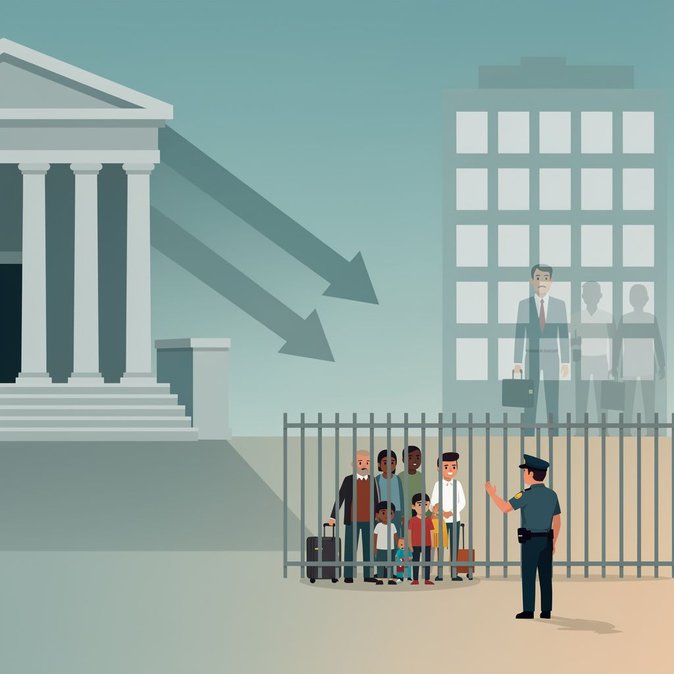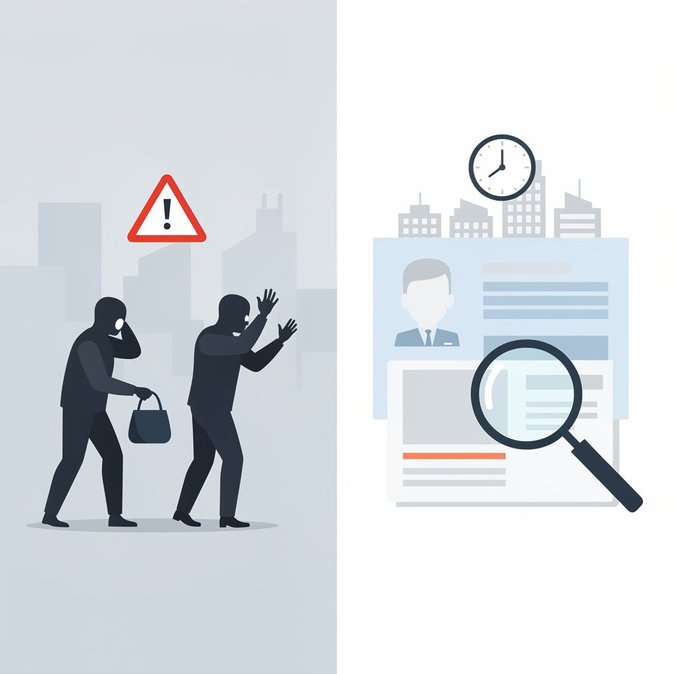
Testifying before the House Appropriations Sub-committee on Homeland Security, Secretary Markwayne Mullin announced an “AI-driven overhaul” of visa and immigration processing that will go live in the next 30 days. The first module targets the Deferred Action for Childhood Arrivals (DACA) backlog; subsequent releases will redesign electronic visa forms to block incomplete submissions and integrate real-time security checks. Mullin told lawmakers that DHS is partnering with the Commerce Department to build a mobile app allowing applicants—and, crucially, employers—to track case status and receive error prompts before filing. “Every delay affects our economy,” he said, noting a current 15-day average turnaround for agricultural H-2A visas after pilot automation. For corporations, the promise of shorter processing could ease project timelines, especially for H-1B specialty workers stuck overseas awaiting stamping. However, the secretary stressed that AI will simultaneously tighten security vetting by cross-checking social-media and travel-history data, raising privacy and false-positive concerns that firms should flag to inbound assignees. Immigration attorneys expect the rollout to resemble USCIS’s myUSCIS portal launch—incremental and occasionally glitch-prone. Early adopters should budget for parallel paper filings until reliability is proven. Vendors of global mobility software may find new integration opportunities once DHS publishes application-programming-interface (API) standards later this year. Longer term, the department aims to extend AI screening to ESTA/Visa Waiver travelers and to automate visa revalidation for frequent business flyers—potentially transforming how multinational firms plan short-term assignments.
Source: NDTV World News