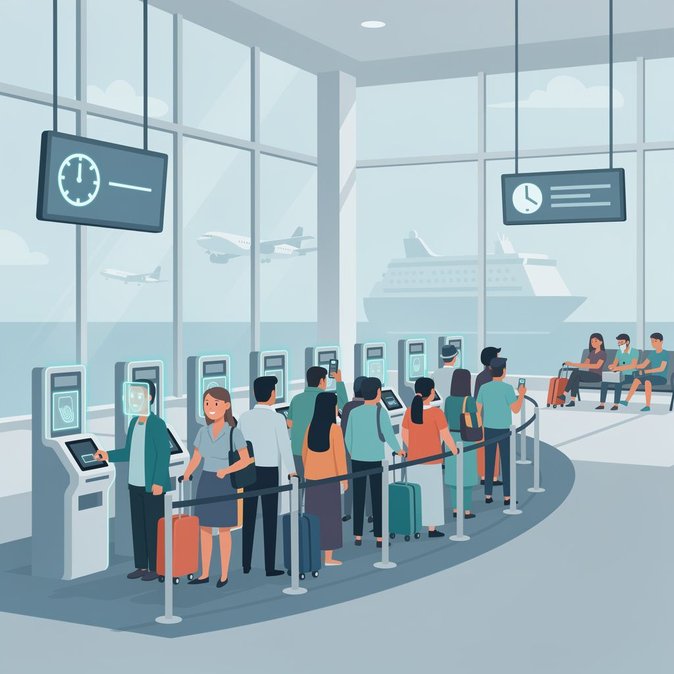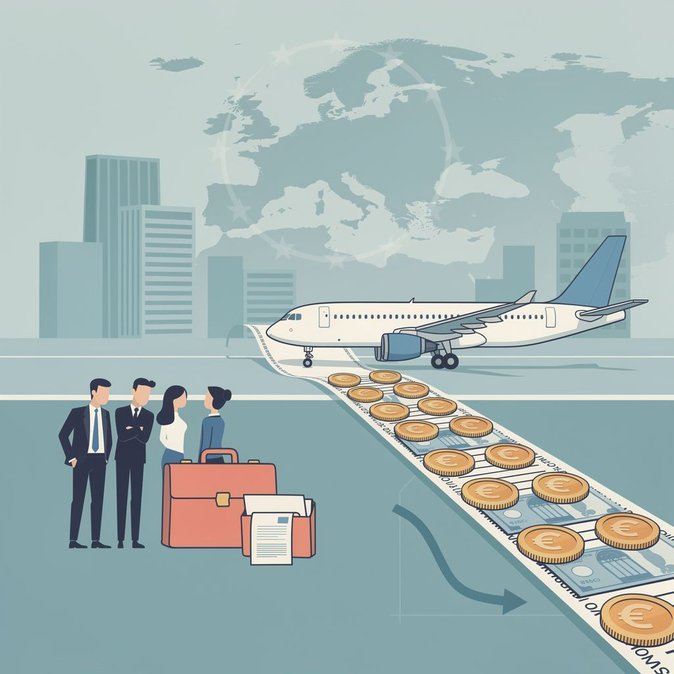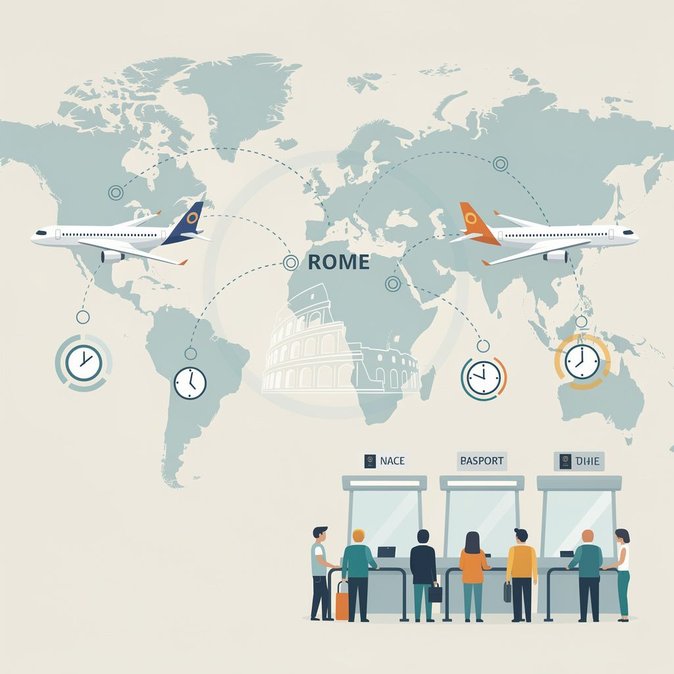
A separate Travel and Tour World report on 27 June 2026 reveals that airlines and civil-aviation authorities in Canada, the United Kingdom, Australia, New Zealand, India and Turkey have opened direct liaison channels with Rome Fiumicino’s operations centre to manage knock-on delays generated by Europe’s Entry/Exit System. Under the plan, long-haul carriers will pre-alert Rome of flights carrying large numbers of first-time Schengen visitors so that additional manual booths can be opened. In exchange, Italian authorities will provide real-time queue data that partner airlines can relay to outbound passengers before boarding. The Canadian Transportation Agency confirmed it is advising carriers to add 20-minute schedule buffers on the YYZ–FCO and YUL–FCO routes until 30 September. The coordination highlights EES’s extraterritorial impact: bottlenecks at a European hub can disrupt global airline timetables, freight connections and crew-duty rosters thousands of kilometres away. Corporate travel teams should watch for rolling schedule adjustments that might invalidate same-day meeting plans or connecting itineraries. Italy’s foreign-ministry officials say the information-sharing model could become a blueprint for other Schengen airports if delays worsen, effectively internationalising what was conceived as a European border-management tool.
Source: Travel and Tour World