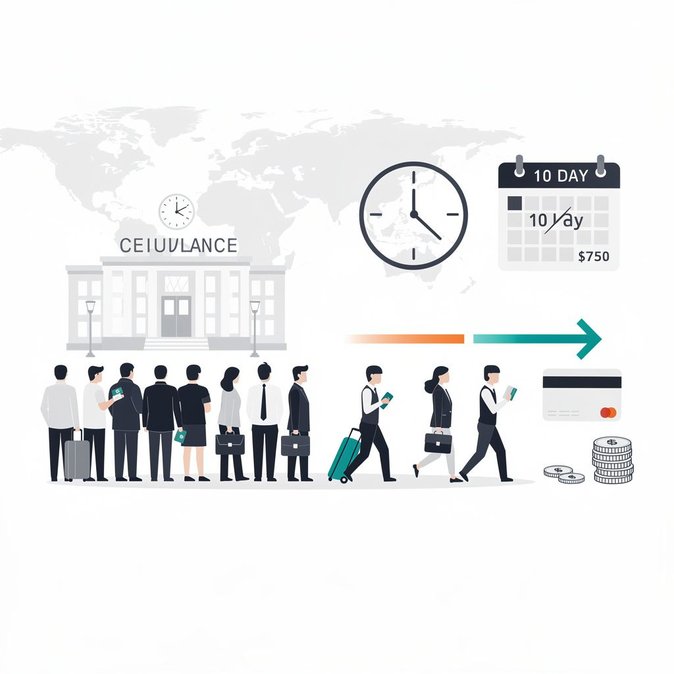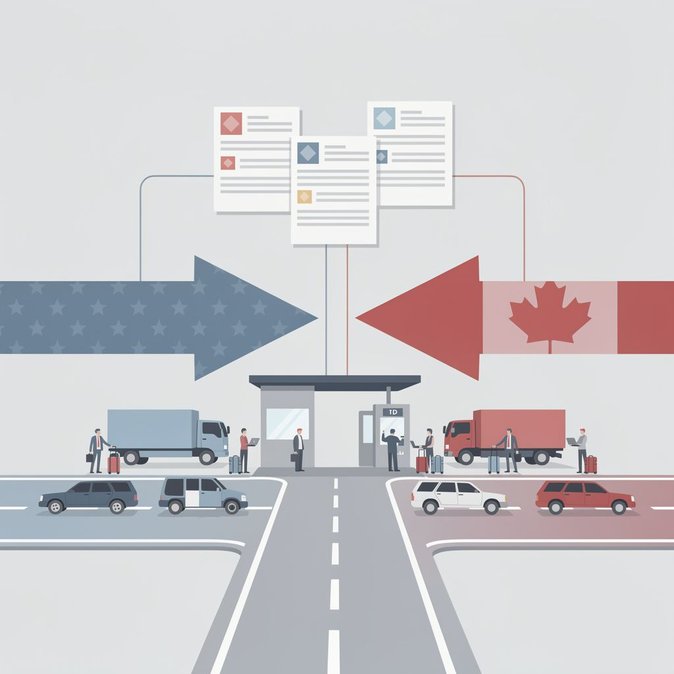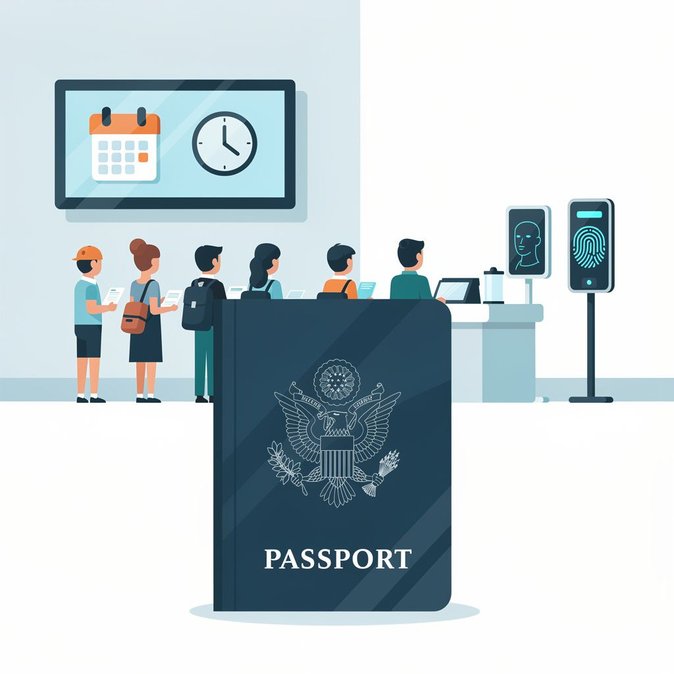
A June 30 bulletin from photography service VisaPics, citing internal State Department memos, outlines major changes to U.S. passport processing that will phase in nationwide by early 2026. The government is shifting to an appointment-only model at regional agencies, tightening eligibility for expedited service and introducing enhanced biometric verification. Key changes include: 1) mandatory online scheduling with reduced walk-in capacity; 2) longer standard turnaround times offset by a limited, need-based expedited queue; 3) additional documentation requirements for minors and applicants seeking one-day processing; and 4) real-time digital status updates that replace legacy call-centre inquiries. For corporate travel managers, the most immediate impact is on short-notice international deployments. Employees will need to apply at least six months before departure, and “life-or-death” exemptions will require proof such as medical letters or binding contracts. Companies should review travel-risk policies and consider maintaining a reserve of staff with at least nine months’ passport validity. The shift also dovetails with the State Department’s broader move toward biometric security. Applicants can expect fingerprint or facial-recognition scans at field offices—a step that may align passport issuance with DHS Trusted Traveler databases, easing Global Entry enrolment but raising privacy questions. Although standard fees remain unchanged for now, industry observers predict higher costs for same-day service once the appointment backlog grows. Stakeholders are lobbying for an employer-sponsored “business critical” category similar to Canada’s urgent-business passport lane.
Source: VisaPics