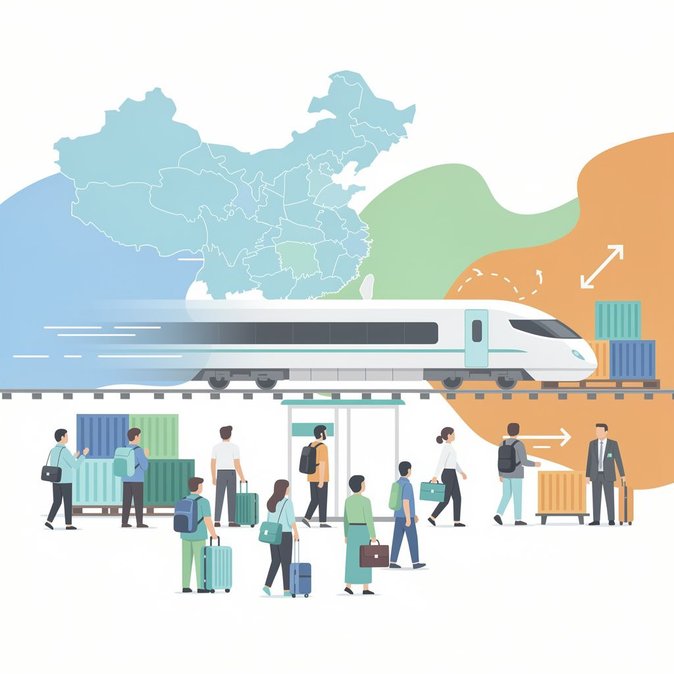
Five years after its launch, the China–Laos Railway continues to redefine overland mobility between East and Southeast Asia. The National Immigration Administration reported on 2 July 2026 that Mohan checkpoint processed more than 190,000 inbound and outbound passengers from 89 countries in the first half of the year, a 30 % increase over 2025. Tour groups from Thailand and Malaysia now account for 22 % of ridership, thanks to through-ticketing agreements that bundle high-speed rail segments with Mekong river cruises. Chinese exporters are also leveraging the line’s refrigerated cargo service to ship durians and mangosteens northbound in under 26 hours—half the previous trucking time—boosting Yunnan’s customs revenues by RMB 420 million. For mobility teams, the rail corridor offers a carbon-efficient alternative to Kunming–Vientiane flights, which remain capacity-constrained. Business travellers holding APEC cards can use the newly opened VIP lane at Mohan, while most other foreigners require a visa-on-arrival issued aboard the train by Lao officials—a process that now supports UnionPay and Alipay. Infrastructure gaps persist: Wi-Fi coverage in mountainous sections is patchy, and cross-border roaming charges remain high. Nevertheless, with bilateral talks under way to extend the line to Bangkok by 2028, companies with regional supply chains should already be assessing rail-plus-road routings for both people and freight.
Source: Xinhua