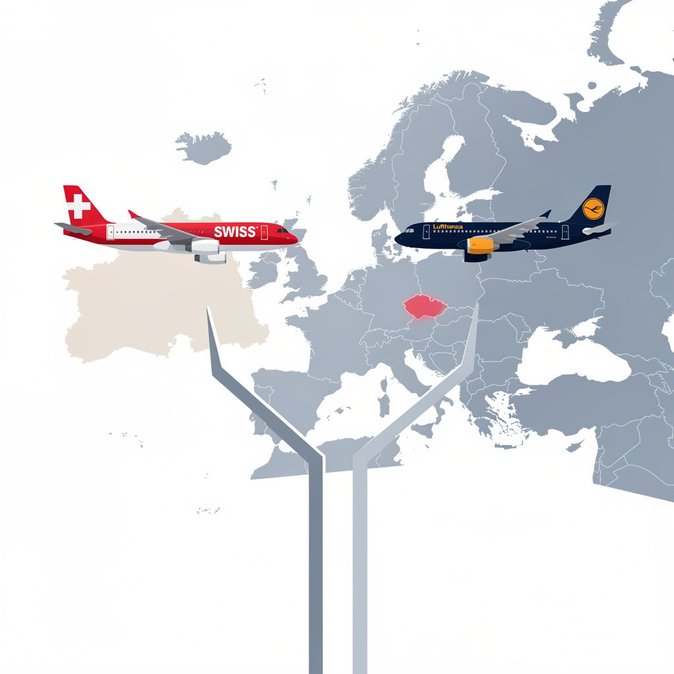
In a candid interview published on 20 July by Travelnews, aviation pioneer Moritz Suter—founder of Crossair and former interim chairman of Swissair—criticised the 2005 sale of Swiss International Air Lines (SWISS) to Germany’s Lufthansa Group. Suter argued that an independent Swiss flag carrier would have been viable and that the integration has gradually eroded Swiss corporate identity. The comments come amid rising unease inside SWISS after cabin-crew instructions were issued in February requiring on-board announcements to reference the airline’s Lufthansa ownership. Some crew members reportedly ignore the script, seeing it as further evidence of cultural dilution. Lufthansa branding has also been added beneath the SWISS livery on aircraft fuselages. Suter drew a comparison with Singapore Airlines, noting that a small domestic market need not preclude global hub success if brand autonomy and service reputation are protected. He also lamented the loss of Swiss aeronautical know-how, likening it to the decline of the country’s once-world-leading textile industry. From a mobility perspective, Suter’s critique revives questions about strategic decision-making in Europe’s airline consolidation. While membership in a large airline group secures purchasing power and network feed, it can also limit route-planning agility—an issue that affects Swiss exporters dependent on nonstop connectivity. Any renewed debate over ownership could influence future investment in Zurich and Geneva hubs, code-share alliances and even Swiss aviation-sector employment. For global-mobility managers the key takeaway is reputational rather than operational: nationality-based corporate travel policies that favour flag carriers may have to revisit brand perceptions versus actual ownership structures, especially if passengers equate SWISS more closely with Lufthansa in future marketing.
Source: Travelnews