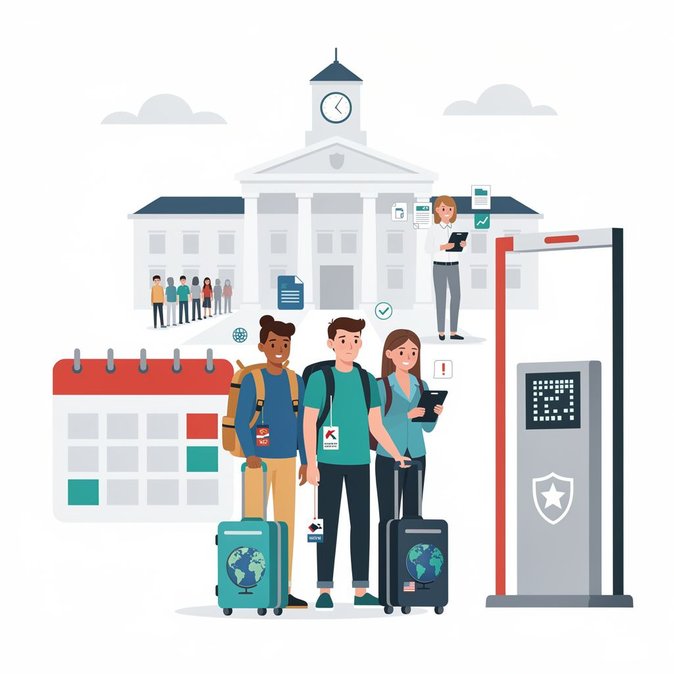
The Department of Homeland Security (DHS) has finalized a rule that will fundamentally change how long most F-1 academic and J-1 exchange students can remain in the United States. Beginning in September, students admitted after that date will be granted a fixed period of stay of no more than four years. To continue studying or engage in post-completion practical training beyond that point, they will have to file for an extension and satisfy additional compliance checks. For more than half a century, foreign students have been admitted for “duration of status,” allowing them to remain in the U.S. as long as they maintained a full course of study. Universities—especially research-intensive institutions with doctoral programmes that often exceed four years—say the new limit adds red tape and will complicate curriculum planning. Higher-education associations warn that Designated School Officials will face an avalanche of extension requests and that DHS will need significant new resources to process them on time. DHS argues that the policy closes a loophole that allegedly allowed some students to linger indefinitely by changing majors or transferring schools. In a statement, Secretary Markwayne Mullin said the rule will “restore our ability to properly screen, vet and monitor individuals within our borders.” The final regulation also tightens rules on changing academic programmes mid-course, requiring government approval in many circumstances. Universities counter that international students are already one of the most closely monitored non-immigrant populations: they are tracked in the SEVIS database, report address changes within ten days, and must obtain new I-20 forms any time they switch majors. Critics fear the change will deter talent and fuel further declines in foreign enrolment, which has fallen every year since 2023. Business groups note that more than half of U.S. graduate-level enrolments in STEM fields are international students; limiting their stay could shrink the future talent pool for American tech firms. Practical tips for employers and students: (1) factor the four-year cap into long-term education and R&D staffing plans; (2) expect higher demand for cap-gap relief and Optional Practical Training extensions; and (3) monitor forthcoming DHS guidance on how “compelling academic reasons” for an extension will be adjudicated. Universities should begin building template extension packets now to minimise disruption when the rule takes effect.
Source: WBUR / Associated Press