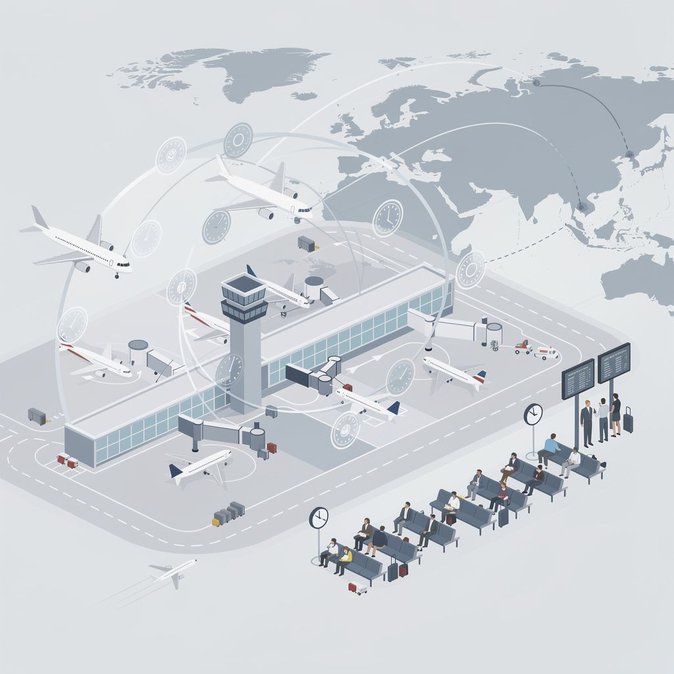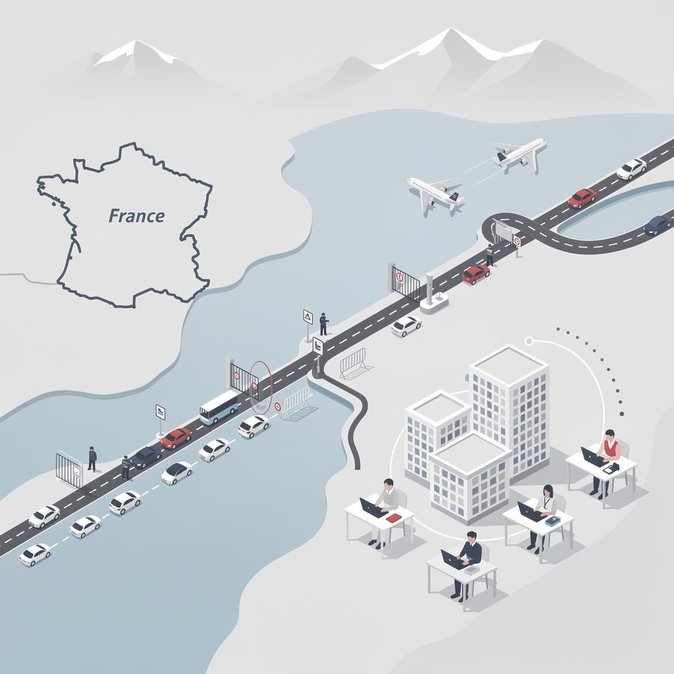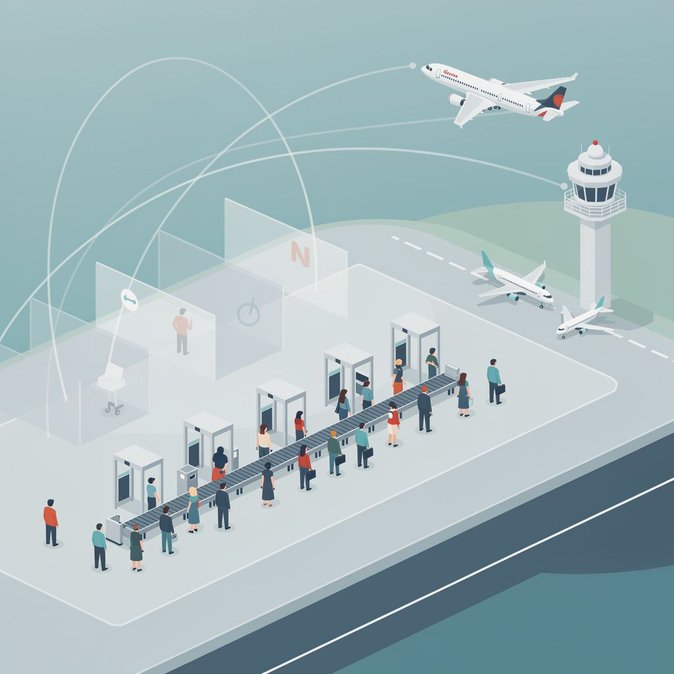
Genève Aéroport has published a dedicated G7 microsite outlining special procedures in force from 13-19 June. Access roads on the French side of the runway—normally used by 40 % of passengers—are subject to police checkpoints, and the Panorama terraces and northern drop-off area are closed from 14-18 June. The airport urges passengers to arrive three hours before departure, carry printed boarding passes, and expect ad-hoc vehicle searches. While slot restrictions have been waived for official delegations, commercial airlines must submit revised flight-plans 48 hours in advance. Ground-handling firms warn of potential ramp congestion during presidential arrivals, but the Civil Aviation Office says a pop-up coordination cell will sequence state aircraft to minimise knock-on delays to scheduled services. Cargo operators face extra scrutiny: dual-use and hazardous goods now require 72-hour pre-clearance instead of the usual 24 hours. Freight forwarders relocating critical life-science materials from Basel have been told to route via Zurich where possible. Despite the constraints, the airport forecasts only a 6 % reduction in passenger throughput. Long-haul connectivity continues to expand: Air China and China Eastern are adding weekly frequencies to Beijing and Shanghai this summer, illustrating Geneva’s resilience as a hub even during summit-level disruptions. For travel managers, the key takeaway is to build wider check-in windows into itineraries, verify parking availability for VIP cars, and alert senior executives that air-side meet-and-greet passes may be suspended at short notice.
Source: Genève Aéroport