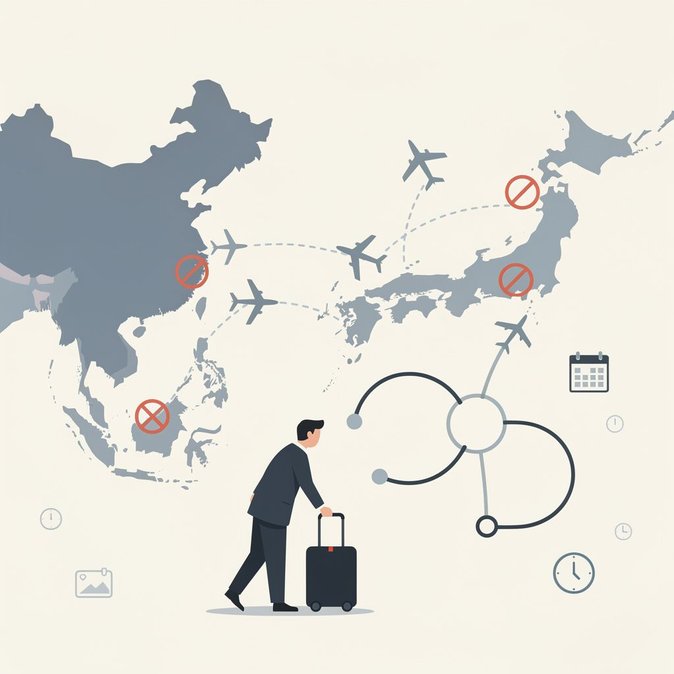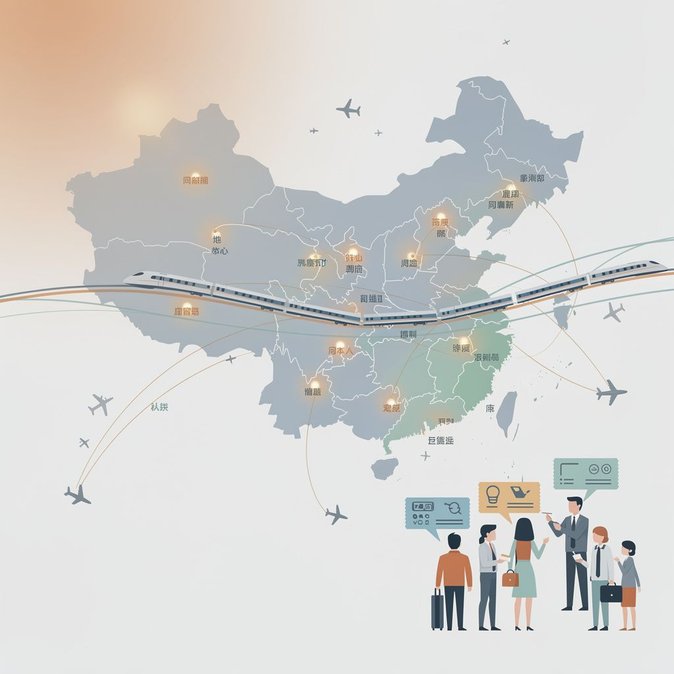
China’s summer transport peak is smashing records. Xinhua reports that national railways expect 1.01 billion passenger trips between 1 July and 31 August, while flight-booking platform Umetrip has logged 27 million domestic and 5.9 million international air reservations for July alone—up 89 percent and 19 percent respectively from a week earlier. What stands out to mobility strategists is where travellers are heading. Bookings to smaller destinations such as Qinhuangdao, Yili and Jingdezhen are growing two- to six-fold as middle-class holidaymakers seek cooler climates and cultural depth. Airlines have pivoted quickly: China Eastern lifted Shanghai–Urumqi frequency 51 percent and moved Shanghai–Yining flights to the city-centre Hongqiao airport, spurring 130 percent capacity growth. For employers the shift carries practical implications. Project teams accustomed to flying into first-tier hubs may need to connect through regional spokes with limited lounge or co-working facilities. Accommodation shortages in niche hotspots could also inflate per-diem costs. Travel managers should refresh preferred-supplier lists to include emerging airports and rail hubs, and brief assignees on unfamiliar ground-transport options. Policy tailwinds matter too. Eight ministries recently issued measures to integrate rail and tourism services, encouraging operators to run themed trains and offer one-ticket multimodal packages. Civil-aviation authorities have urged carriers to develop differentiated products that embed local culture rather than pure price competition—a cue that value-added amenities may start replacing deep discounts. Outbound mobility is equally buoyant thanks to the 30-day visa-free regime now covering 50 countries. With the FIFA World Cup kicking off in North America next month, China Southern alone has scheduled 38 weekly flights across seven North-American routes, signalling that long-haul corporate travel is well and truly back.
Source: Xinhua