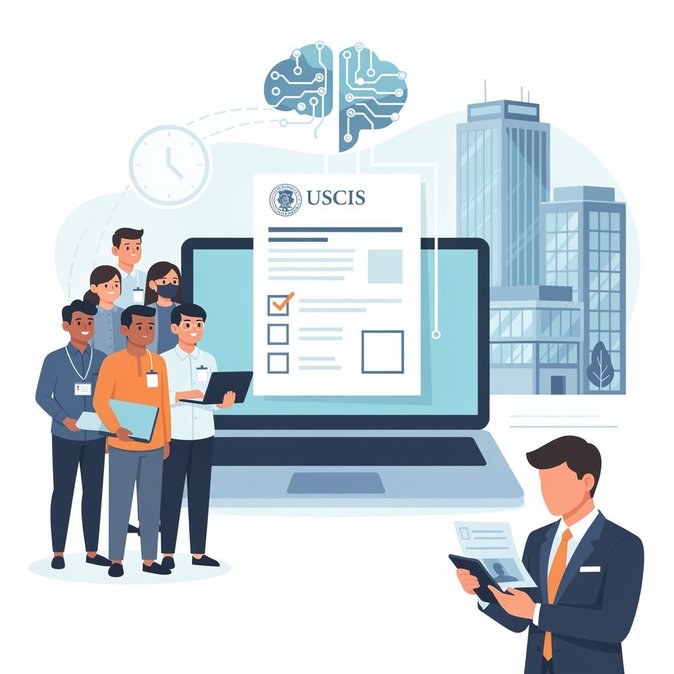
Legal-tech start-up eazyPetition has launched an AI-driven tool that, it says, drafts H-1B, O-1 and employment-based green-card petitions in under half an hour. The platform scans uploaded passports, résumés and supporting evidence, then auto-populates USCIS forms and generates attorney letters. For Indian applicants—who account for more than 70 percent of H-1B demand—the potential time-saving is significant. Immigration lawyers typically spend three to five hours assembling a single petition; automating mundane data entry could lower legal fees and accelerate filing during narrow H-1B registration windows. Caveats: Attorneys stress that AI cannot replace legal judgment or compliance with ever-shifting USCIS guidance. The platform positions itself as a productivity aid, with lawyers providing the final review and signature. Early academic studies show that specialised legal-AI models still falter on complex “request for evidence” scenarios. What mobility teams should do: Tech companies planning bulk H-1B filings next season may pilot AI drafting to cut costs, but must maintain rigorous human oversight. Data-privacy assessments are essential because visa documents contain sensitive personal and corporate IP. Long-term outlook: As generative-AI penetration deepens, expect similar tools for Canada’s LMIA and Australia’s 482 visa streams, creating an ecosystem where immigration workflow increasingly mirrors financial-services automation.
Source: Business Standard