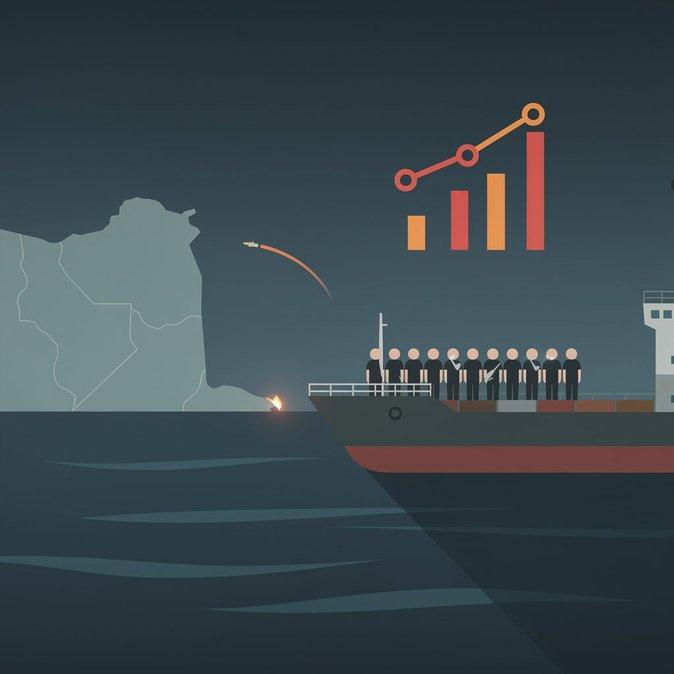
Tensions in the Arabian Sea flared again on 12 July when the GFS Galaxy, a Liberian-flagged bulk carrier with 11 Indian seafarers aboard, was struck by what officials described as an “Iranian warning shot” 52 nautical miles off the coast of Oman. Ten crew members were rescued by an Omani coast-guard cutter, but one Indian national remains unaccounted for. In a late-night statement, India’s External Affairs Ministry condemned the attack and called for “immediate de-escalation” in West Asia. Commercial shipping lanes through the Gulf of Oman are critical for India’s energy security and for exporters shipping textiles and auto parts to Europe. Maritime insurers responded by raising war-risk premiums by 15 percent for vessels crewed predominantly by Indians. Logistics managers at several FMCG companies told Global Mobility News that they are reviewing contingency plans, including rerouting via the Red Sea—despite Houthi activity—if premiums spike further. For Indian seafarers, who make up roughly nine percent of the world’s ocean-going workforce, the incident highlights personal-security gaps. The Directorate General of Shipping has reiterated its May circular advising Indian crew to exercise caution in “hot zones” and to ensure that companies have Long-Range Identification tracking and citadels in place. On land, travel-risk providers are fielding queries from firms with expatriate staff in Muscat and Sohar. While Oman remains peaceful, any escalation could prompt tighter port checks and delays to crew rotations. Mobility teams are advised to monitor advisories and maintain updated emergency contacts for sailors’ families. Diplomatically, India’s call for restraint aligns with its balancing act between Gulf partners and Iran, but the missing sailor keeps public attention high. Until the security picture clears, corporates will need to budget for higher insurance and potential schedule disruptions on the key India-Europe corridor.
Source: Akashvani News