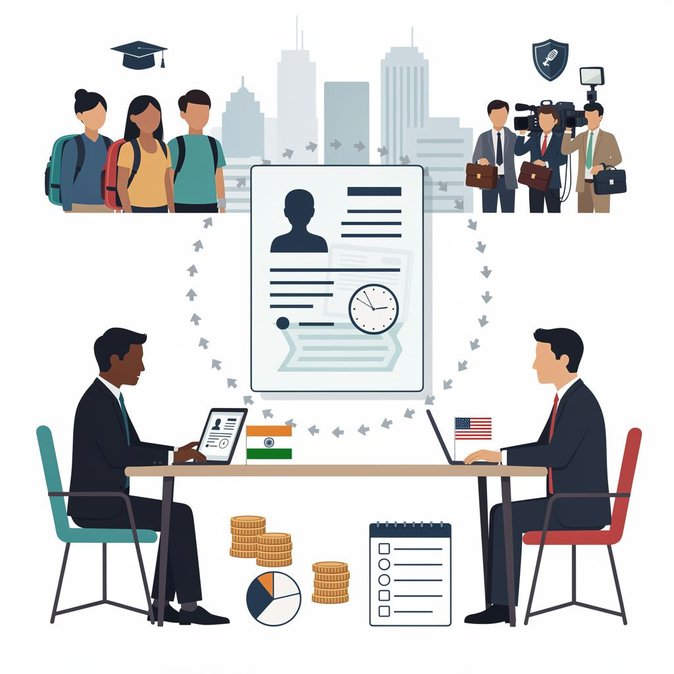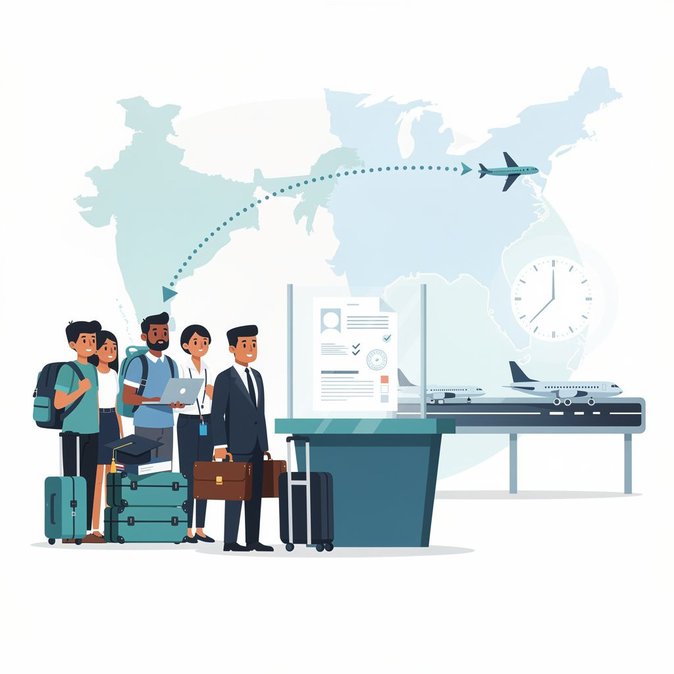
Speaking at the Ministry of External Affairs’ weekly briefing on 18 July, spokesperson Jaiswal Khanna confirmed that India is in ‘active dialogue’ with the United States to address the long wait times Indian applicants face for visitor, student and work visas. The statement follows a spike in complaints from education agents and corporate mobility managers, who report that first-time F-1 student appointments at many U.S. consulates have slipped beyond the start of the autumn semester. Indian officials noted that visa policy is a sovereign matter but stressed that easing the backlog is in both countries’ economic interest. More than 250,000 Indian students were enrolled in U.S. institutions last year, and Indian nationals accounted for over 10 percent of H-1B specialty-occupation petitions. Delays have knock-on effects on tuition revenue, research timelines and corporate project staffing. U.S. embassy sources say the consular mission will open 15,000 extra interview slots for students and expand interview-waiver appointments for repeat B-1/B-2 travellers later this month. Consular staffing levels, however, remain below pre-pandemic strength. Global firms with U.S.–India mobility pipelines should build additional buffer time into assignment planning and consider Canada, the U.K. and Australia as interim alternatives for graduate hires. Education providers have been urged to issue I-20 forms earlier and offer flexible arrival windows to admitted Indian students. The dialogue will continue at the India–U.S. Consular Working Group meeting scheduled for August in Washington, where both sides are expected to review progress and explore pilot projects such as remote interviews and AI-based document triage.
Source: The Times of India