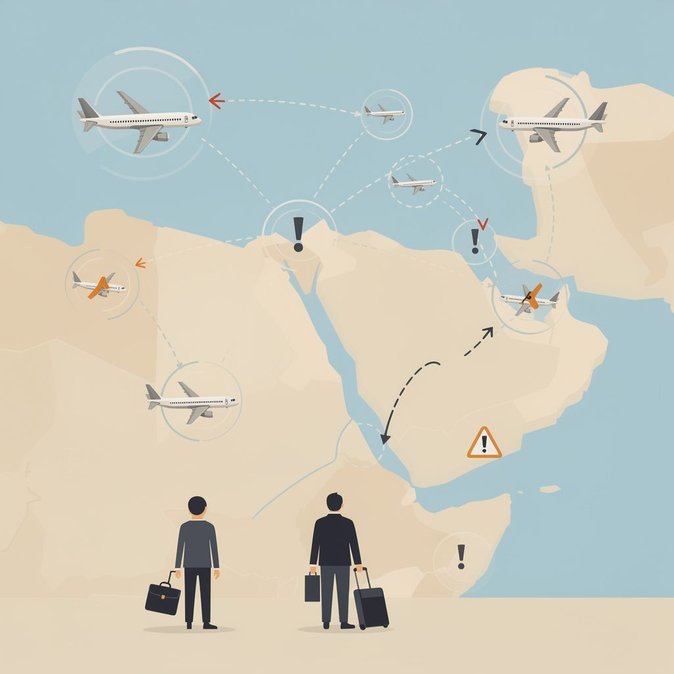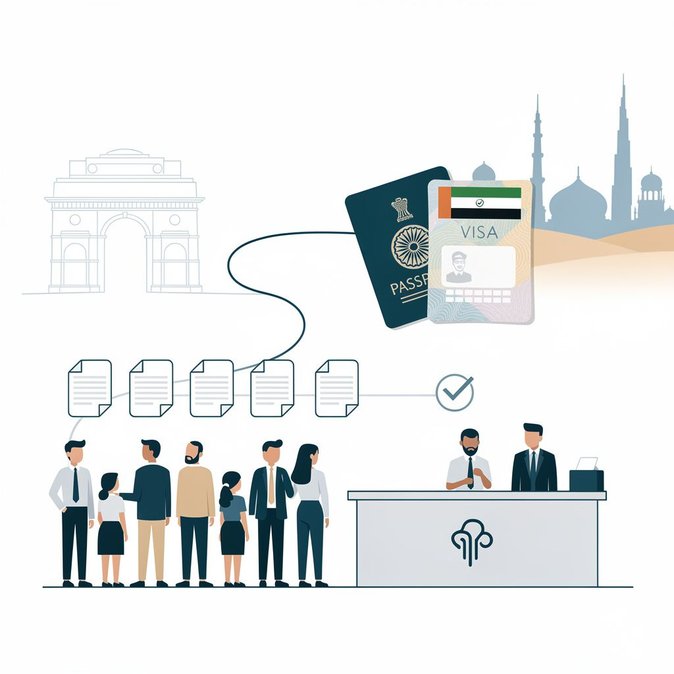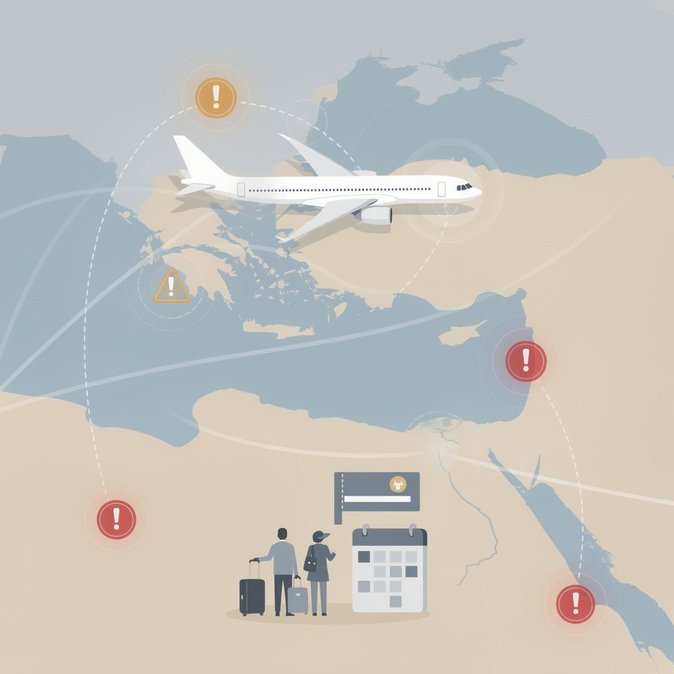
Dubai Customs revealed on July 19 that its latest economic-support package has already injected AED 79 million (US$ 21.5 million) in direct liquidity to 428 companies between March 1 and June 30, 2026. Measures include 80 % penalty waivers, instalment plans for duties and a 120-day extension of ‘import for re-export’ declarations—critical for re-exporters operating regional distribution hubs in Jebel Ali Free Zone. The authority also tripled the permitted transit window from 30 to 90 days, enabled land movements through Fujairah, Khor Fakkan and Hatta under a single customs guarantee, and prioritised perishables and pharmaceuticals via a new “Green Corridor”. More than 203,000 containers—worth AED 33.9 billion—used the corridor during the period, demonstrating Dubai’s ability to reroute flows despite regional security disruptions. For multinationals, the extended timelines reduce working-capital lock-up on duty-suspended goods and minimise the risk of fines when consignments are delayed by Gulf air-space closures or port congestion. The instalment plan is particularly attractive for SMEs facing cash-flow strain amid higher insurance premiums and freight-rate volatility. From a compliance perspective, firms must update internal trade-automation systems to reflect the new declaration expiry dates and lower penalty matrix. Failure to align could result in unintentional overpayments once Dubai Customs’ back-end reverts to auto-billing after the grace periods expire. Supply-chain strategists see the policy as part of the emirate’s wider Dubai Economic Agenda D33, aimed at doubling foreign-trade value to AED 25 trillion by 2033. Analysts expect similar facilitation moves from Abu Dhabi Customs as the UAE positions itself as a safe, efficient trans-shipment alternative during regional uncertainty.
Source: Government of Dubai Media Office